Why Does Your Car Battery Keep Dying? Causes & Fixes

admin
August 10, 2026

When your temperature gauge starts climbing, steam appears from under the hood, or your vehicle suddenly warns you that the engine is too hot, it is not a problem to ignore. An overheating vehicle can sometimes be traced to something relatively simple, such as low coolant or a faulty thermostat, but it can also indicate a more serious mechanical problem.
The cooling system has an important job: it helps control the heat produced by the engine and keeps operating temperatures within the range specified by the vehicle manufacturer. Problems with the radiator, coolant, water pump, thermostat, cooling fans, hoses, or other components can interfere with that process.
For Baltimore drivers, recognizing the warning signs early can make a major difference. This guide explains why vehicles overheat, what symptoms to watch for, how technicians diagnose cooling-system problems, and what to do when your car starts running too hot.
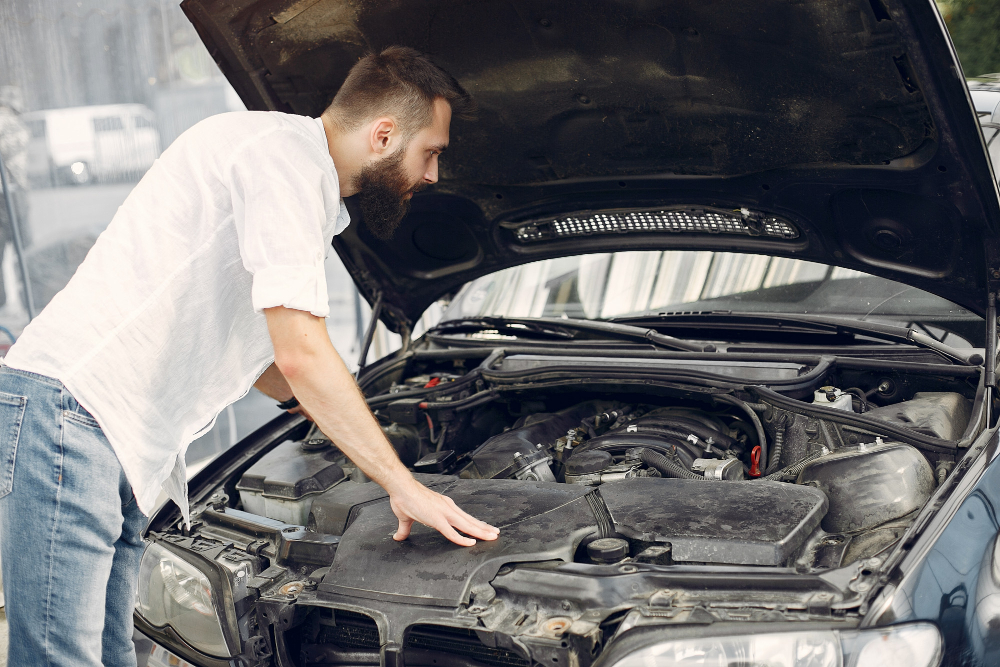
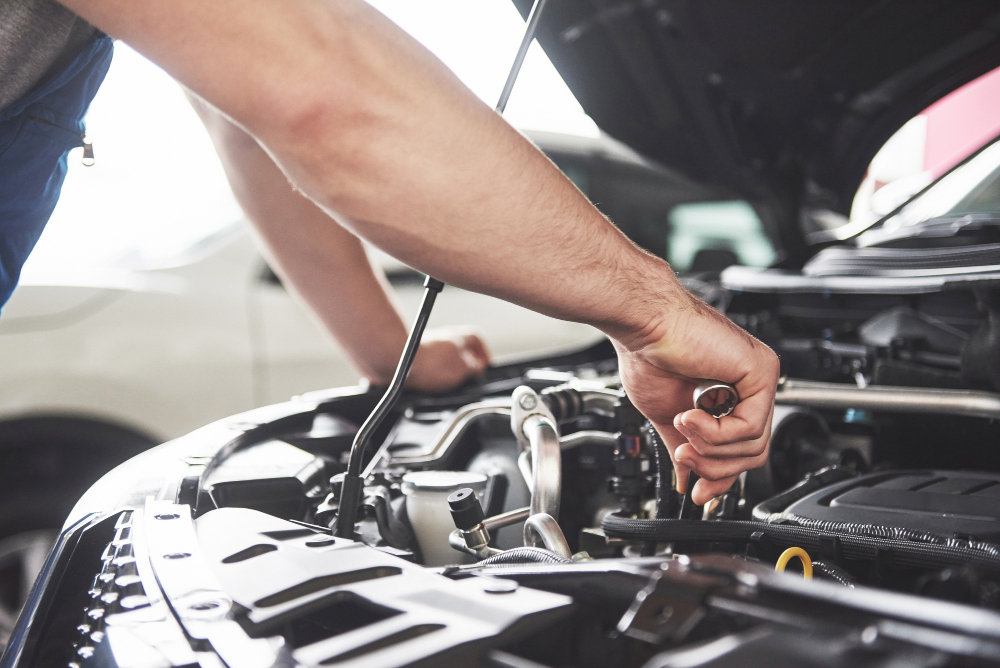
An engine naturally produces a significant amount of heat while it is running. Coolant circulates through passages in and around the engine, absorbs heat, and carries it to the radiator where that heat can be released. If something prevents the coolant from circulating properly or stops the system from removing enough heat, engine temperature can rise. Common causes include:
The symptoms can look similar even when the underlying problem is completely different. That is why replacing parts based only on symptoms is not a reliable repair strategy. A proper inspection should identify the source of the temperature problem before repairs are recommended.
Knowing the warning signs can help you react before excessive heat causes additional damage.
The Temperature Gauge Is Higher Than Normal: Your temperature gauge provides one of the earliest clues that something may be wrong. If the needle moves noticeably above its normal position, pay attention. If it reaches the red zone or your vehicle displays a high-temperature warning, safely stop driving as soon as possible. Do not assume the gauge will return to normal on its own.
Steam or Vapor Comes from Under the Hood: Steam coming from the engine compartment can indicate excessive heat or escaping coolant. A coolant leak may allow hot fluid to reach other engine components, while a severely overheated system can produce steam as coolant reaches very high temperatures. Never remove a radiator cap while the system is hot. The cooling system can be pressurized, creating a serious burn hazard.
You Smell Coolant: A sweet smell around the engine compartment can be a sign that coolant is escaping. The source could be a hose, radiator, water pump, thermostat housing, reservoir, or another component. If you repeatedly smell coolant or need to add coolant, the vehicle should be inspected rather than simply topped off again and again.
You Notice a Coolant Leak: Coolant may appear as a puddle beneath the vehicle, but not every leak is easy to see. Some leaks only become noticeable when the cooling system is hot or pressurized. Others may leave residue around a component without creating a large puddle.
The Vehicle Loses Power: Excessive engine temperature can be accompanied by reduced performance. If your vehicle begins running poorly while the temperature warning is increasing, do not keep driving to see whether the problem improves. Pull over safely and shut the engine down.
You Hear Unusual Engine Noises: Ticking, knocking, or other unusual sounds combined with a rising temperature should be taken seriously. Excessive heat can place additional stress on engine components, while low oil or another mechanical problem may contribute to both abnormal noise and elevated temperature.
The Heater Stops Behaving Normally: Changes in cabin heat can sometimes provide useful diagnostic information. For example, if the engine is getting hotter but the heater is not producing the expected heat, coolant circulation may not be working correctly. This symptom does not identify the failed component by itself, but it can help a technician narrow down the problem.
If your vehicle begins overheating, the safest response is to stop driving rather than trying to make it to your destination.
Pull Over Safely: Move away from traffic as soon as it is safe. Choose a location where you can stop without putting yourself or other drivers at risk.
Turn the Engine Off: Once safely stopped, shut the engine off. Continuing to operate a vehicle that is already overheating can turn a cooling-system problem into much more expensive engine damage.
Do Not Open the Radiator Cap While Hot: This is extremely important. A hot cooling system may contain pressurized coolant. Removing the cap can release hot coolant or steam and cause severe burns. Allow the vehicle to cool before any inspection, and if you are unsure what to do, arrange professional assistance.
Do Not Assume the Problem Is Fixed: Sometimes the temperature may temporarily return to normal after the vehicle is stopped or allowed to cool. That does not necessarily mean the underlying fault has disappeared. A thermostat can fail intermittently. A cooling fan can stop working under certain conditions. A leak can become worse as pressure and temperature increase. A temporary improvement is not the same thing as a repair.
Good diagnosis is more than checking the coolant reservoir. A technician needs to determine what is preventing the vehicle from maintaining the correct operating temperature. Depending on the vehicle and symptoms, the inspection may include the following.
Coolant Level and Condition: The technician can check the coolant level and look for signs of contamination or deterioration. The correct coolant should be selected according to the vehicle manufacturer’s specifications. Coolant color alone should not be used to determine compatibility. If the coolant level is low, the next question is why. A low level may be caused by a leak or another cooling-system problem.
Cooling System Leak Inspection: Leaks can develop in several locations, including:
Pressure testing may be used when a leak is difficult to identify visually.
Thermostat Testing: The thermostat regulates coolant flow as the engine reaches its normal operating temperature.
Water Pump Inspection: The water pump circulates coolant through the engine and cooling system. If the pump is worn, damaged, leaking, or unable to circulate coolant correctly, the engine may not receive the cooling it needs. A technician can determine whether pump failure is contributing to the temperature problem.
Cooling Fan Testing: Cooling fans are particularly important when a vehicle is stationary or moving slowly. If a fan motor, relay, fuse, wiring connection, sensor, or control system fails, airflow through the radiator may be reduced. This can make an existing cooling problem much more noticeable in traffic.
Engine Oil Inspection: Engine oil does not replace the cooling system, but it plays an important role in reducing friction and helping control heat within the engine. An extremely low oil level can contribute to increased mechanical stress and operating temperature. For that reason, oil level and condition should also be considered when diagnosing an unusually hot-running engine.
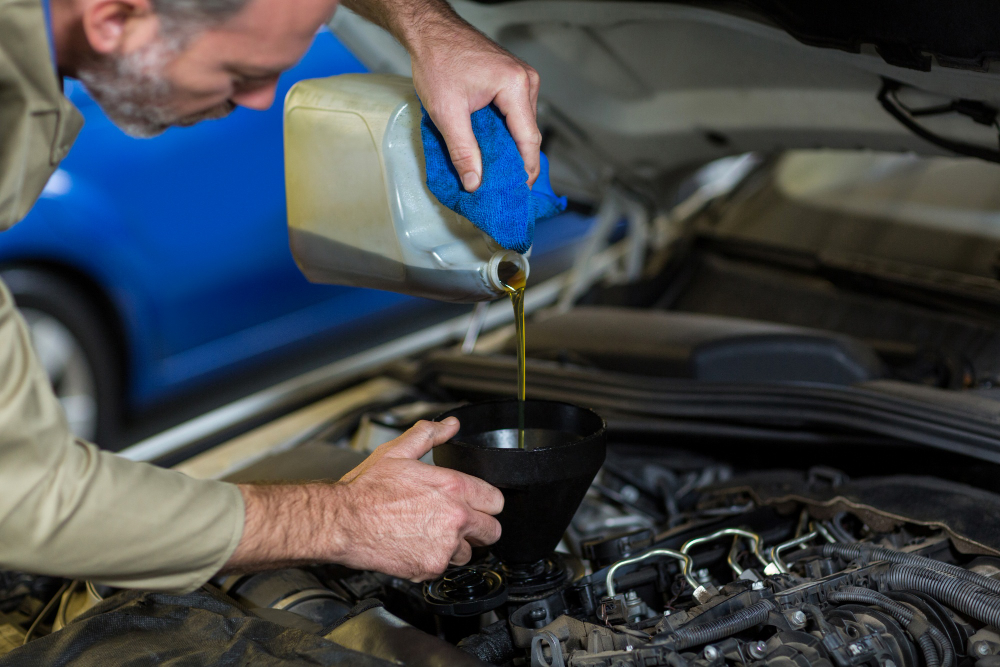
Once the cause has been identified, the repair depends on which component has failed. Possible repairs include:
There is no single repair that works for every overheating vehicle. For example, adding coolant may temporarily restore the correct level, but it will not permanently solve the problem if a hose or radiator is leaking. Likewise, replacing a thermostat will not solve an overheating issue caused by a failed cooling fan. The goal should always be to identify the actual cause first.
No.
A temperature problem does not automatically mean that the cooling system needs to be flushed. Coolant service intervals vary by vehicle, coolant specification, manufacturer recommendations, driving conditions, and maintenance history. The correct service should be based on the vehicle manufacturer’s requirements and the condition of the cooling system. If the coolant is contaminated or the system requires service, the appropriate procedure can be recommended after inspection.
Baltimore drivers regularly encounter stop-and-go traffic, city streets, seasonal temperature changes, and extended periods of low-speed driving. These conditions can make an existing cooling-system weakness more noticeable.
For example, a vehicle with a cooling fan that is no longer operating correctly may appear to run normally at higher road speeds but begin getting hotter while sitting in traffic. Likewise, a small coolant leak may become more obvious during periods of increased heat and engine load.
This does not mean Baltimore driving automatically causes overheating. It means that vehicles with neglected maintenance or failing components may have less ability to handle demanding operating conditions. Regular inspections and addressing early warning signs can help reduce the risk of a more serious breakdown.
You should not continue driving an actively overheating vehicle. If the temperature warning appears, the gauge reaches the red zone, or steam is coming from under the hood, safely pull over and shut the engine off. Continuing to drive can increase the possibility of serious internal damage.
What begins as a leaking hose, thermostat problem, radiator issue, or cooling-fan failure can become a much larger engine repair if excessive heat continues for too long. Stopping early is usually the smarter financial decision.
You cannot prevent every mechanical failure, but regular maintenance can help identify developing problems before they become major failures.
Follow Your Vehicle’s Maintenance Schedule
Different vehicles use different coolant types and have different service requirements. Use the manufacturer’s recommended maintenance schedule instead of applying one generic interval to every vehicle.
Pay Attention to Coolant Loss
If you repeatedly need to add coolant, find out why. A cooling system should not routinely lose coolant without an underlying reason.
Watch the Temperature Gauge
Drivers often notice a problem only after a warning light appears. Knowing where your gauge normally sits makes it easier to recognize an unusual change.
Respond to Warning Signs Early
A coolant smell, small leak, unusual temperature fluctuation, or cooling fan problem may be easier and less expensive to address before it causes secondary damage.
Keep Up With Routine Auto Maintenance
Cooling-system condition is only one part of overall vehicle reliability. Regular maintenance can also identify problems involving belts, hoses, fluids, brakes, battery, tires, and other components before they become unexpected roadside problems.
If your vehicle is running hotter than normal, losing coolant, showing a temperature warning, or producing steam, the next step should be finding the cause rather than guessing which part needs to be replaced.
At Roland Falls Auto & Body Repairs, we serve Baltimore City and surrounding Maryland communities with automotive maintenance and repair services.
Our shop is located at 1100 W 41st St, Baltimore, MD 21211.
Whether the issue involves a coolant leak, thermostat, radiator, water pump, cooling fan, hose, or another component, proper diagnosis helps determine what your vehicle actually needs. If your car is showing signs of a cooling-system problem, don’t wait until the temperature warning becomes an engine failure.
Contact Roland Falls Auto & Body Repairs to schedule an inspection and find out what is causing your vehicle to run hot.
Whether you need collision repair, auto body work, routine maintenance, window tinting, detailing, or tag and title services, our team is here to help. Contact Roland Falls Auto & Body Repairs today to schedule a service, request an estimate, or ask any questions about your vehicle.
Join our list for quick updates, exclusive offers, and important alerts.