
Brake Pad Warning Signs: 8 Symptoms Baltimore Drivers Should Never Ignore
Hearing unusual noises when stopping? Feeling vibrations or noticing changes in your brake pedal? Learn the common warning signs of brake problems and when to schedule a professional inspection.
Your vehicle’s braking system is one of its most important safety features. Whether you are driving through busy Baltimore streets, slowing down in traffic, or stopping at an intersection, you depend on your brakes every time you press the pedal.
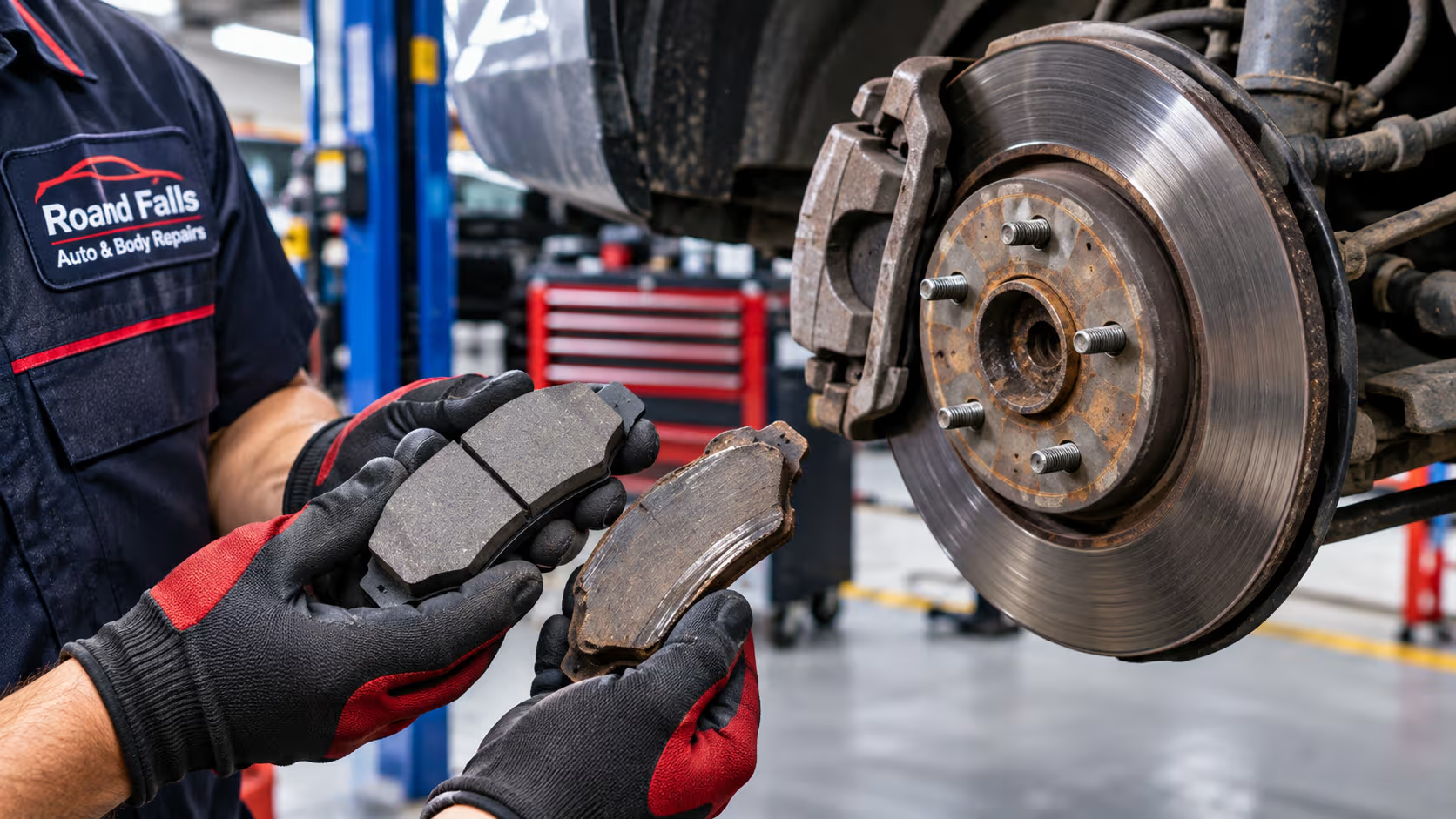
Brake pads gradually wear down as they create friction against the brake rotors. Over time, this wear can reduce braking performance and lead to additional damage if the problem is ignored.
The good news is that many brake problems show warning signs before they become more serious. Recognizing these symptoms early can help you arrange the right inspection and avoid unnecessary repair costs.
Quick Answer: How Do You Know Your Brake Pads Are Worn?
Common warning signs include high-pitched squealing, grinding noises, a brake warning light, reduced braking response, and visible brake pad wear. However, vibrations, a soft brake pedal, or a burning smell may indicate other brake system problems that also require attention.
📋 Table of Contents
- How Do Car Brake Pads Work?
- 8 Warning Signs Your Brake Pads Need Attention
- Are All Brake Problems Caused by Worn Pads?
- When Should You Replace Brake Pads?
- What Causes Brake Pads to Wear Faster?
- What Happens During a Brake Inspection?
- How to Maintain Your Braking System
- When to Visit an Auto Repair Shop in Baltimore
- Frequently Asked Questions
1. How Do Car Brake Pads Work?
Most modern passenger vehicles use disc brakes on their front wheels, and many also use disc brakes on the rear wheels. These systems use brake pads, calipers, and rotors to slow down the vehicle.
When you press the brake pedal, hydraulic pressure activates the brake calipers. The calipers push the brake pads against the rotating brake rotors. Friction between these components slows the wheels and helps bring your vehicle to a stop.
Because brake pads repeatedly create friction, their material gradually wears away. Once the pads become too thin, they may no longer provide the performance required for safe braking.
Why Are Regular Brake Checks Important?
Brake pads do not wear at exactly the same rate on every vehicle. Driving habits, vehicle weight, traffic conditions, road conditions, and brake component quality can all affect their lifespan.
Regular inspections help identify wear before it develops into a more serious issue involving the rotors or other braking components.
2. 8 Warning Signs Your Brake Pads Need Attention
Your vehicle may show one or more symptoms when its braking system needs attention. Here are eight common signs Baltimore drivers should understand.
1. High-Pitched Squealing or Squeaking Noise
One of the most recognizable brake warning signs is a high-pitched squealing sound when you press the brake pedal.
Many brake pads include a small metal wear indicator. As the friction material becomes thinner, this indicator can contact the rotor and produce a noticeable squealing sound.
However, not every squeak means your brake pads are worn out. Moisture, surface rust, dust, and other conditions can also create temporary brake noise.
If the sound continues, becomes louder, or appears regularly while braking, arrange a brake inspection.
2. Grinding or Scraping Noise
A grinding sound when braking is more concerning than a light squeak. It may indicate that the friction material has worn down enough for metal components to contact the rotor.
Continuing to drive with this problem can damage the brake rotors and increase repair costs. It may also affect braking performance.
3. Vibration When Applying the Brakes
Does your steering wheel or brake pedal vibrate when you slow down? This can be a sign of a brake system problem.
Possible causes include uneven rotor surfaces, excessive rotor thickness variation, brake component wear, or other mechanical issues.
Vibration does not automatically mean the brake pads need replacement. A technician should inspect the rotors, pads, and related components to identify the actual cause.
4. Brake Pedal Feels Soft or Spongy
Your brake pedal should feel reasonably firm and consistent. If it suddenly feels soft, spongy, or travels farther than usual before the brakes respond, the hydraulic braking system may have a problem.
Possible causes include:
- Air trapped inside the brake lines.
- Brake fluid leakage.
- Problems with the master cylinder.
- Issues involving other hydraulic components.
This symptom should never be ignored. If the pedal feels unusually soft or sinks toward the floor, do not continue driving. Arrange professional assistance.
5. Vehicle Pulls to One Side While Braking
If your vehicle moves or pulls toward the left or right when you apply the brakes, something may be affecting braking balance.
Possible causes include:
- A sticking or malfunctioning brake caliper.
- Uneven brake pad wear.
- Brake hose problems.
- Uneven braking force between the wheels.
Tire and suspension problems can also contribute to pulling. A proper inspection is needed to identify the cause.
6. Brake Warning Light Appears on the Dashboard
Modern vehicles use dashboard warning lights to alert drivers when certain braking system conditions are detected.
Depending on your vehicle, a warning light may indicate:
- The parking brake is still engaged.
- Low brake fluid level.
- A detected brake system problem.
- An issue with the anti-lock braking system (ABS).
Check your owner’s manual to understand what the specific warning means for your vehicle. If a brake system warning remains on after checking the parking brake, arrange an inspection.
7. Burning Smell After Braking
A strong burning smell after braking may indicate excessive brake heat. This can happen during prolonged downhill driving, repeated hard braking, or when a brake caliper is not releasing properly.
Overheated brakes can affect braking performance and may cause damage to other components.
If you notice smoke or a strong burning smell, pull over somewhere safe, switch off the vehicle, and allow the brakes to cool. Do not pour water onto hot brake components.
If the smell continues or the vehicle does not brake normally, arrange professional assistance rather than continuing your journey.
8. Visible Brake Pad Wear
If you can safely see the brake pads through your vehicle’s wheels, you may notice that the friction material has become thin.
However, visual checks through the wheel openings do not always show the complete condition of the brake pads. Some vehicles also have different wear levels on their inner and outer pads.
A proper inspection should measure the remaining friction material and compare it with the vehicle manufacturer’s service specifications.
3. Are All Brake Problems Caused by Worn Brake Pads?
No. This is an important distinction that many drivers overlook.
Your vehicle’s braking system contains several connected components. A symptom that appears to be a brake pad problem may actually come from another part of the system.
| Symptom | Possible Cause | Recommended Action |
|---|---|---|
| Squealing noise | Wear indicators, moisture, debris, or vibration | Inspect pads and brake components |
| Grinding noise | Severely worn pads or metal contact | Stop driving when safe and arrange inspection |
| Brake pedal vibration | Rotor surface or thickness variation | Inspect rotors and related components |
| Soft brake pedal | Air in brake lines or hydraulic leak | Prompt brake system inspection |
| Vehicle pulls to one side | Caliper, uneven braking, tire, or suspension issue | Check braking and related systems |
| Burning smell | Overheated brakes or sticking caliper | Stop safely and seek assistance |
The correct repair depends on identifying the actual problem. Replacing brake pads without checking the other components may not solve the issue.
4. When Should You Replace Brake Pads?
There is no single mileage figure that applies to every vehicle. Brake pad replacement timing depends on the vehicle, the type of pads, driving habits, and operating conditions.
Some drivers may need replacement sooner because of frequent stop-and-go traffic or aggressive braking. Others may get more mileage from their brake pads under different driving conditions.
Factors That Affect Brake Pad Lifespan
- Driving habits: Frequent hard braking can increase friction and wear.
- Traffic conditions: Stop-and-go city traffic often requires more frequent braking.
- Vehicle weight: Heavier vehicles may place greater demands on their braking systems.
- Road conditions: Hills and steep routes can increase brake use.
- Brake pad material: Different materials have different wear characteristics.
- Vehicle condition: Caliper or rotor problems can contribute to uneven wear.
Should You Wait Until the Brake Pads Make Noise?
No. Waiting for a warning sound is not a good maintenance strategy.
Some vehicles have electronic brake wear sensors, while others rely on mechanical wear indicators or periodic inspection. Not every braking problem will produce an obvious noise.
Follow the maintenance schedule in your owner’s manual and have the brake system inspected when symptoms appear.
5. What Causes Brake Pads to Wear Faster?
Brake pads naturally wear over time, but certain driving habits can make the process faster.
Frequent Hard Braking
Sudden braking creates more heat and friction. Keeping a safe following distance and slowing down gradually can reduce unnecessary brake use.
Driving in Heavy Traffic
Constant stopping and starting can increase brake usage, especially during busy commuting hours.
Carrying Heavy Loads
Additional vehicle weight increases the energy required to slow down and stop. This can put more demand on the braking system.
Driving Down Steep Roads
Continuous braking on long downhill routes can generate excessive heat. When appropriate for your vehicle, use engine braking and a suitable lower gear rather than relying entirely on the brake pedal.
Ignoring Other Brake Problems
A sticking caliper or another mechanical issue may cause uneven or excessive brake pad wear. These problems need to be diagnosed rather than treated by replacing pads alone.
6. What Happens During a Professional Brake Inspection?
A professional brake inspection checks more than just the visible brake pads. The technician evaluates the condition of the braking system to determine what service is actually needed.
A typical inspection may include:
- Checking brake pad thickness and wear patterns.
- Inspecting brake rotors for damage and wear.
- Checking brake calipers and related hardware.
- Inspecting brake hoses and visible lines for leaks or damage.
- Checking brake fluid condition and level.
- Reviewing warning lights and relevant diagnostic information.
- Checking other components according to vehicle requirements.
After the inspection, the repair shop should explain the findings and recommend the appropriate service based on the vehicle’s condition and manufacturer specifications.
7. How to Maintain Your Vehicle’s Braking System
Good driving habits and regular maintenance can help keep your braking system in better condition.
Follow Your Vehicle’s Maintenance Schedule
Use the owner’s manual to understand the recommended inspection intervals and service requirements for your specific vehicle.
Pay Attention to Unusual Changes
Notice changes in brake noise, pedal feel, stopping response, or dashboard warnings. Early inspection can help identify developing problems.
Avoid Unnecessary Hard Braking
Maintain a safe distance from other vehicles and anticipate traffic conditions. Smooth braking can reduce unnecessary wear.
Use Suitable Replacement Parts
When replacement is needed, use brake components that meet the vehicle manufacturer’s specifications. The correct parts matter for proper fit and braking performance.
Do Not Ignore Brake Fluid Problems
Brake fluid is essential to the hydraulic braking system. Follow the vehicle manufacturer’s recommended inspection and replacement schedule, and have any suspected leaks checked promptly.
8. When Should You Visit an Auto Repair Shop in Baltimore?
If you notice persistent brake noise, unusual vibrations, warning lights, or changes in how your vehicle stops, arrange a professional brake inspection.
Some symptoms require more urgent action. A soft or sinking brake pedal, visible brake fluid leak, smoke, or a significant reduction in braking performance can indicate a serious safety problem.
In these situations, do not continue driving. Move to a safe location if possible and arrange towing or professional assistance.
Professional Automotive Service at Roland Falls
At Roland Falls Auto & Body Repairs, we provide automotive repair and maintenance services for drivers in Baltimore, Maryland.
Our automotive services include brake system inspection and repair as part of our vehicle care offerings. If you are experiencing braking problems, contact our team to discuss your vehicle and the service it may need.
You can also explore our automotive services to learn more about the repair and maintenance options available at Roland Falls.
Noticing Brake Problems? Don’t Ignore the Warning Signs.
Get in touch with Roland Falls Auto & Body Repairs to discuss your vehicle’s braking concerns and arrange the next step.
Contact Our Team → Call (410) 889-65369. Conclusion: Keep Your Brakes in Good Condition
Brake pads gradually wear down, but your vehicle often provides warning signs when the braking system needs attention. Squealing, grinding, vibrations, a soft pedal, warning lights, and unusual braking behavior should never be ignored.
Remember that not every symptom is caused by worn brake pads. Problems with rotors, calipers, brake fluid, hoses, and other components can produce similar warning signs.
The best approach is to follow your vehicle’s maintenance schedule, pay attention to changes in braking performance, and arrange a professional inspection when something does not feel right.
If you are looking for automotive repair assistance in Baltimore, contact Roland Falls Auto & Body Repairs to discuss your vehicle’s needs.
Need Automotive Repair in Baltimore?
Whether you have a brake concern or need general vehicle maintenance, our team is ready to hear about your vehicle’s needs.
Get in Touch → Call Our ShopFrequently Asked Questions
What are the most common signs of bad brake pads?
Common signs include high-pitched squealing, grinding noises, visible pad wear, and changes in braking performance. Some vehicles also have electronic brake wear warnings.
How often should brake pads be replaced?
There is no universal replacement mileage. Brake pad life depends on vehicle type, pad material, driving habits, traffic, and road conditions. Follow your owner’s manual and have the pads inspected regularly.
Can I drive with squeaking brakes?
Persistent squealing should be inspected because it may indicate worn brake pads or another brake issue. Temporary noise can also occur because of moisture or surface conditions. Do not assume the noise is harmless without checking.
What does a grinding noise when braking mean?
Grinding may indicate severely worn brake pads or metal-to-metal contact between brake components. It can damage the rotors and affect braking performance. Stop driving when safe and arrange professional assistance.
Why does my steering wheel shake when I brake?
Steering wheel vibration during braking may be related to uneven brake rotor surfaces, rotor thickness variation, or other vehicle problems. A professional inspection can identify the cause.
Do all cars have brake pad warning sensors?
No. Some vehicles use electronic brake pad wear sensors, while others use mechanical wear indicators or rely on scheduled inspections. Check your owner’s manual for your vehicle’s specific system.
Should brake pads and rotors be replaced together?
Not always. The rotors should be inspected for thickness, condition, and manufacturer specifications. They may be suitable for continued use, resurfacing where permitted, or replacement depending on their condition.
Where can I get brake repair in Baltimore?
Roland Falls Auto & Body Repairs is located at 1100 W 41st St, Baltimore, MD 21211. Contact the shop at (410) 889-6536 to discuss your automotive repair needs.
For additional information about brake wear, warning signs, and vehicle maintenance, consult these resources:
AAA – 11 Ways to Know You May Need New Brakes ↗ AAA – Don’t Wait Until Your Brakes Squeak to Get Them Checked ↗ National Highway Traffic Safety Administration (NHTSA) ↗This article provides general automotive information and is not a substitute for a professional inspection or vehicle-specific manufacturer guidance.