Why Does Your Car Battery Keep Dying? Causes & Fixes

admin
August 22, 2026
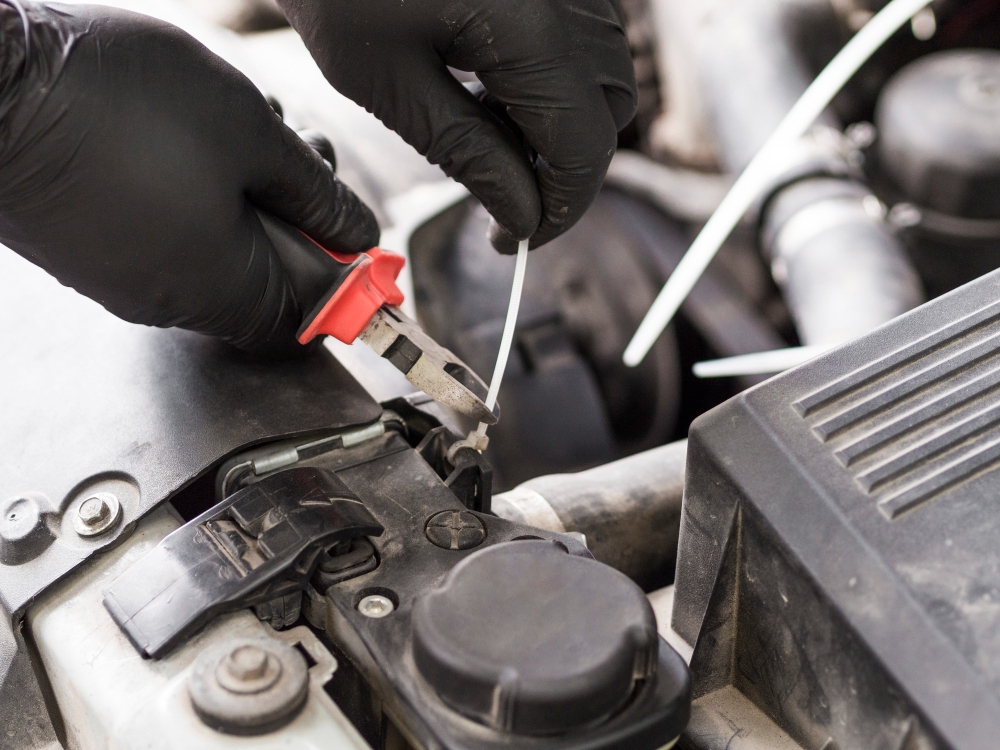
Spark plugs and ignition coils work as a team, one creates the spark, the other supplies the voltage that makes that spark possible, and both play an equal role in what spark plug and ignition coil replacement is designed to restore. When they’re both healthy, your engine fires smoothly on every cylinder without you ever thinking about it. When one starts to fail, the other usually takes on extra strain, which is exactly why these two components get discussed together so often.
This guide covers what spark plug and ignition coil replacement actually involves, how to tell which one needs attention, and whether they should be replaced together or separately. We handle this as part of our regular engine repair work for Baltimore drivers at Roland Falls Auto & Body Repairs.
A spark plug ignites the air and fuel mixture inside each cylinder. To do that, it needs a jolt of voltage far higher than your car’s 12 volt battery provides, tens of thousands of volts. That’s the ignition coil’s job, stepping up battery voltage to the level needed to fire the plug. Most modern vehicles use one coil per cylinder, while some older vehicles share a single coil across multiple cylinders.
Because they work as a pair, a problem with one often puts extra stress on the other. A worn spark plug with a widened gap forces its coil to work harder to bridge that gap, which can shorten the coil’s life. This relationship is a big part of why proper timing on spark plug and ignition coil replacement matters, addressing one worn component often prevents unnecessary wear on the other.
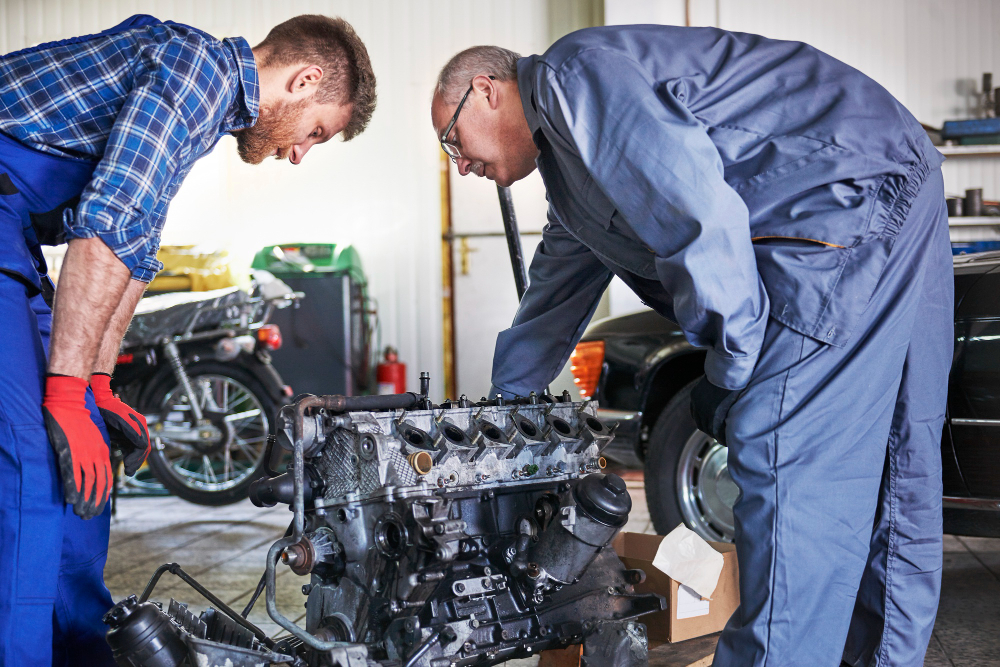

Understanding these two intervals separately is the foundation of any good spark plug and ignition coil replacement plan, since treating them as identical schedules leads to either premature replacement or missed warning signs.
Spark plugs have a genuine mileage based replacement interval. Older recommendations called for replacement around every 30,000 miles, but that interval has extended significantly with modern plug materials, now generally falling between 60,000 and 105,000 miles depending on the plug type, with iridium plugs typically lasting toward the longer end of that range. Your owner’s manual has the exact interval for your specific vehicle.
Ignition coils don’t follow a fixed mileage schedule the same way. There’s no universal number, some coils last well past 100,000 miles, while others fail earlier due to heat exposure, oil contamination, or the extra strain caused by worn spark plugs. Coils are generally replaced reactively, when one actually fails or shows clear symptoms, rather than proactively on a schedule.
Because these components work together, their failure symptoms overlap significantly, which is exactly why a proper diagnosis matters before spark plug and ignition coil replacement, rather than guessing at which part to swap first.
Any single one of these symptoms is worth investigating, and several occurring together generally means spark plug and ignition coil replacement is overdue rather than optional.
Frequent stop and go traffic, common throughout Baltimore City commuting routes, puts extra heat cycling stress on ignition coils compared to steady highway driving. Idling in traffic means the coils are firing repeatedly at low speed without the cooling benefit of consistent airflow that highway driving provides, and that pattern can accelerate wear over time, particularly on coils that are already aging.
Short daily trips are another factor worth considering. An engine that rarely reaches full operating temperature doesn’t burn off spark plug deposits as effectively as one that runs longer, steadier cycles, which means plugs used mostly for short commutes may show fouling or wear signs earlier than the general mileage interval would suggest. If your daily driving in Baltimore is mostly short trips and heavy traffic, it’s worth mentioning this pattern when you come in for spark plug and ignition coil replacement, since it can help explain symptoms that show up earlier than expected and inform how proactively we approach coil replacement on your specific vehicle.
A misfire or hard start left unaddressed doesn’t just stay the same, it tends to create additional problems the longer it continues.
Catching spark plug and ignition coil replacement needs early, before these signs progress, generally means a smaller, more contained repair than waiting until the symptoms become severe or constant.
This is a genuinely debated question among mechanics, and the honest answer is, it depends on the situation.
The case for replacing only what’s failing: ignition coils don’t wear down the same way spark plugs do, and replacing a functioning coil that shows no symptoms is often an unnecessary expense.
The case for replacing coils proactively at higher mileage: if your vehicle has high mileage and one coil has already failed, the remaining coils are likely not far behind, since they’ve experienced similar heat and wear. Replacing them together avoids repeat shop visits and inconsistent performance from mixing old and new coils. Some engine layouts also make accessing the coils labor intensive, which makes doing them all at once more efficient than one at a time.
There’s no single right answer here, it depends on your vehicle’s mileage, how the coils are accessed on your specific engine, and whether you’re already addressing worn spark plugs as part of the same spark plug and ignition coil replacement visit.
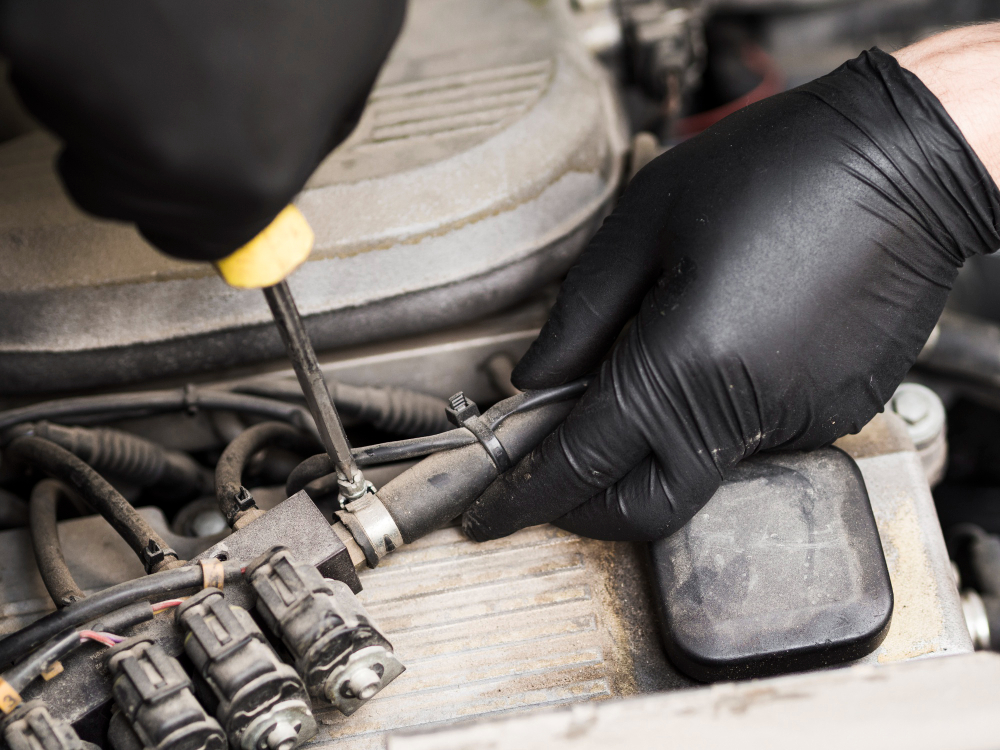
Because symptoms overlap so heavily between these two parts, a proper diagnosis is what actually separates a correct spark plug and ignition coil replacement from a costly guess.
We provide a written estimate before beginning any spark plug and ignition coil replacement, so you understand exactly what your specific vehicle needs before agreeing to anything.
If you’re noticing misfires, rough idle, or reduced fuel economy, don’t guess at which part is behind it. Our team handles spark plug and ignition coil replacement for Baltimore drivers with a proper diagnosis first, at Roland Falls Auto & Body Repairs.
Call 410-889-6536, email rolandfallsauto@gmail.com, or visit us at 1100 W 41st St, Baltimore, MD 21211 to schedule a diagnostic. Learn more about our full range of services at rolandfalls.com.
Whether you need collision repair, auto body work, routine maintenance, window tinting, detailing, or tag and title services, our team is here to help. Contact Roland Falls Auto & Body Repairs today to schedule a service, request an estimate, or ask any questions about your vehicle.
Join our list for quick updates, exclusive offers, and important alerts.