Why Does Your Car Battery Keep Dying? Causes & Fixes

admin
September 1, 2026
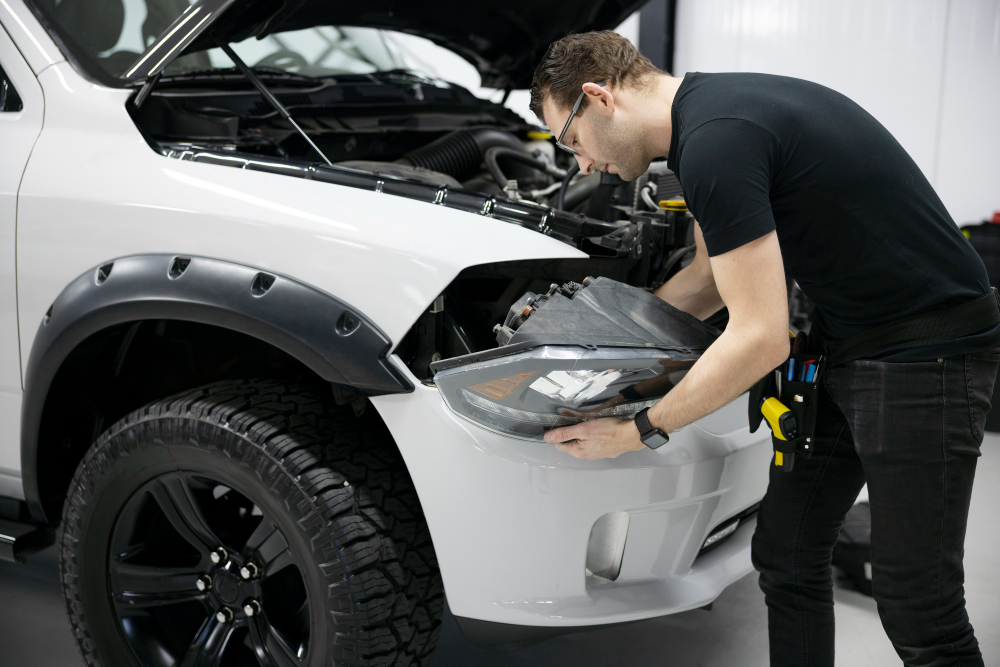
A dinged bumper is one of the most common types of car damage, and also one of the most confusing when it comes to deciding what to actually do about it. Sometimes a scraped bumper is a quick, inexpensive fix. Other times what looks like minor damage on the surface hides something more serious underneath. Knowing the difference before you commit to either option can save you real money, or protect you from a repair that isn’t actually enough.
This guide covers how bumper repair and replacement decisions actually get made, what real damage assessment involves, and why modern bumpers are more complicated than they look. We handle bumper repair and replacement for Baltimore drivers as part of our regular auto body work at Roland Falls Auto & Body Repairs.
Most people picture a bumper as a single solid piece, but it’s actually a system with several layers working together. The visible plastic cover is what you see and what typically gets damaged first, but behind it sits a steel or aluminum reinforcement bar, and behind that, a foam energy absorber designed to reduce impact force in a low speed collision.
This layered design means visible damage to the plastic cover doesn’t always tell the whole story. A bumper can look fine on the outside while the reinforcement bar or absorber behind it has actually taken real damage, which is exactly why a proper inspection matters more than a quick glance.
Modern vehicles add another layer of complexity, and it’s one of the biggest reasons bumper repair and replacement decisions have gotten more complicated over the past decade. Many bumpers now house parking sensors, cameras, and radar components tied to driver assistance systems. Damage to the bumper, or even certain repair techniques applied incorrectly, can affect these systems, sometimes in ways that aren’t immediately obvious.

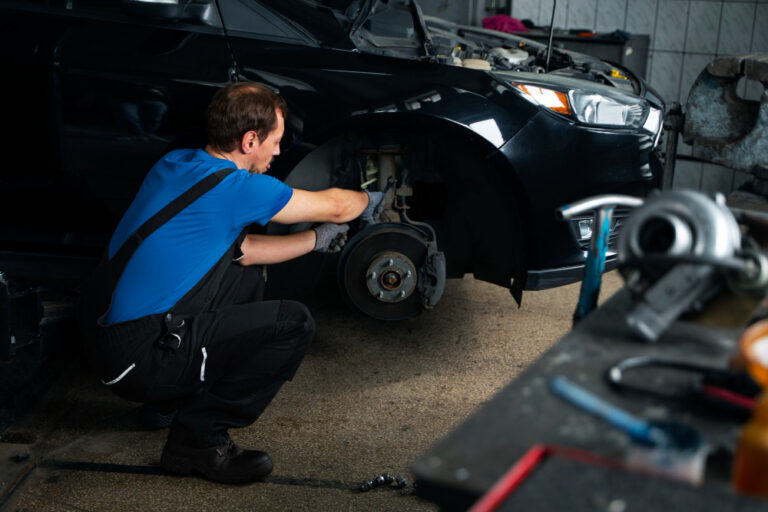
Bumper repair is typically the right call within a bumper repair and replacement decision when damage is limited to the cover itself, without deeper structural involvement.
Repair is almost always faster and considerably less expensive than replacement, and for damage that fits these categories, it’s typically the more sensible choice.
Certain types of damage push a bumper repair and replacement decision firmly toward replacement, and attempting to repair them anyway risks a result that doesn’t hold up or doesn’t restore proper safety function.
The tricky part of bumper repair and replacement isn’t usually identifying severe, obvious damage, it’s the damage that falls in between. A bumper with what looks like a moderate crack might repair perfectly well, or the impact that caused it might have also damaged the reinforcement bar behind it in a way you can’t see without removing the cover.
This is exactly why a proper assessment involves more than a visual check of the plastic surface. A thorough inspection looks at what’s underneath, checks for any sensor related codes if your vehicle has them, and evaluates the mounting points, not just the cosmetic appearance of the damage.
A proper bumper repair and replacement decision starts with a real inspection, not a guess based on how bad the damage looks from a few feet away.
Bumper repair and replacement costs vary considerably based on several real factors.
We provide a written estimate after a full inspection, so you understand exactly what your specific vehicle needs and why, before agreeing to either repair or replacement.
If your bumper damage resulted from an accident covered by insurance, a few things are worth knowing before you agree to either side of bumper repair and replacement.
Insurance adjusters sometimes push toward repair as the lower cost option, and in many cases, repair genuinely is the right call. But an adjuster working from photos or a brief inspection doesn’t always catch structural damage behind the cover the way a hands on assessment does. If your shop’s inspection finds damage an adjuster’s estimate didn’t account for, that’s worth raising directly, since insurance estimates can be revised when genuine additional damage is documented.
It’s also worth knowing that in Maryland, you have the right to choose your own repair shop regardless of which shop your insurance company recommends. Your policy still covers the repair as long as your chosen shop provides a proper, itemized estimate. This matters because a shop working for you, rather than one selected by the insurance company, has every incentive to identify the full extent of damage rather than the minimum needed to close a claim quickly.
Repair timelines are generally shorter than replacement timelines, though both depend on your specific vehicle and the extent of work needed.
A straightforward cosmetic repair, sanding, filling, and repainting, typically takes a few days from start to finish. Replacement generally takes longer, since it depends on ordering and receiving the correct part for your specific vehicle, then completing installation, paint matching, and any necessary sensor recalibration.
This depends heavily on the type of damage. A minor scratch or shallow dent generally poses no safety issue and can wait for a scheduled repair. A bumper that’s hanging, dragging, or has exposed sharp edges is a different situation entirely, and driving in that condition isn’t recommended until it’s addressed. Similarly, if a bumper impact has triggered a sensor warning light, that’s worth having checked promptly rather than assuming it’s purely cosmetic, since this is exactly the kind of situation where a proper bumper repair and replacement assessment catches something a quick glance would miss.
Whether your bumper has a minor scuff or damage you’re not sure about, our team provides an honest bumper repair and replacement assessment for Baltimore drivers, recommending the option your vehicle genuinely needs at Roland Falls Auto & Body Repairs.
Call 410-889-6536, email rolandfallsauto@gmail.com, or visit us at 1100 W 41st St, Baltimore, MD 21211 to schedule an inspection. Learn more about our full range of services at rolandfalls.com.
Whether you need collision repair, auto body work, routine maintenance, window tinting, detailing, or tag and title services, our team is here to help. Contact Roland Falls Auto & Body Repairs today to schedule a service, request an estimate, or ask any questions about your vehicle.
Join our list for quick updates, exclusive offers, and important alerts.