Why Does Your Car Battery Keep Dying? Causes & Fixes

admin
August 20, 2026
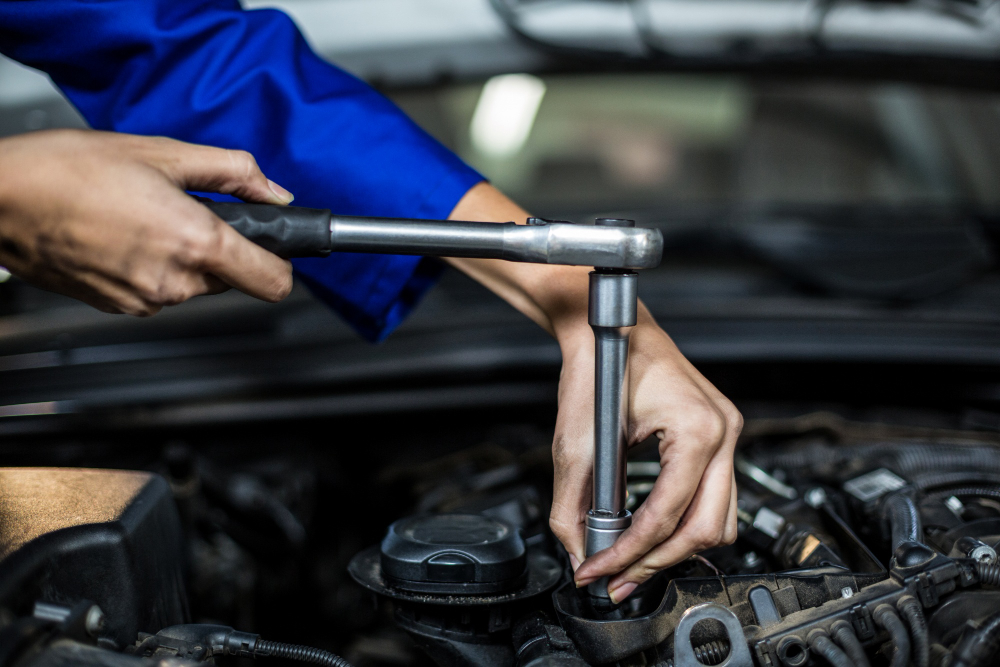
Your engine depends on hundreds of moving components working together at precisely the right time. Among the most important are the camshaft and valves, which help control the flow of air and fuel into the engine and exhaust gases out of it. When these components become worn, damaged, or improperly synchronized, your vehicle can develop serious performance problems.
A camshaft or valve issue may begin with something that seems minor, such as a rough idle, unusual ticking noise, reduced power, or difficulty starting. If the underlying problem is ignored, however, continued operation can lead to more extensive engine damage.
If you’re searching for camshaft and valve repair in Baltimore, knowing the warning signs can help you recognize a potential problem before it becomes a major engine repair.
At Roland Falls Auto & Body Repairs, we focus on accurate diagnosis rather than guessing which component needs to be replaced. The goal is simple: identify the actual problem, explain the repair, and get your vehicle back to reliable operation.
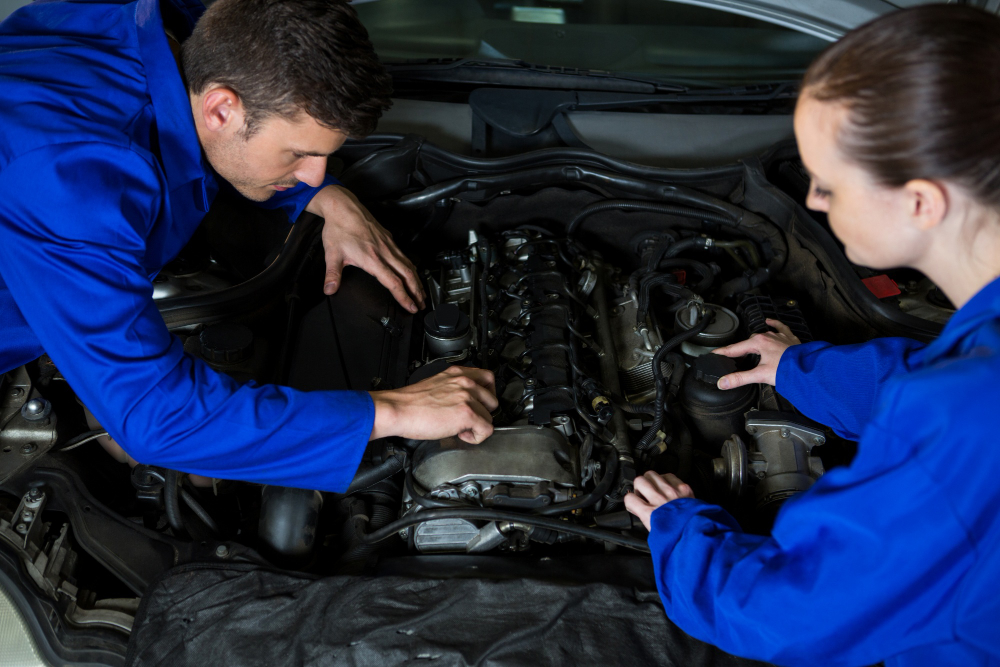
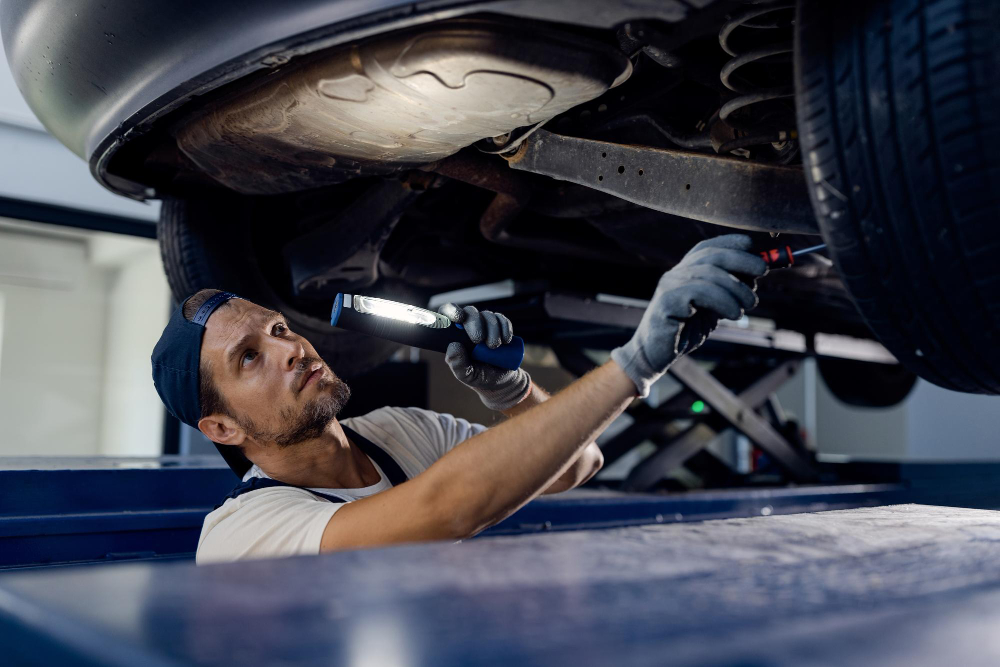
The camshaft is a critical part of an engine’s valve train. Its job is to control when the engine’s valves open and close as the engine operates. The valves control the movement of gases into and out of the combustion chambers. Depending on the engine design, the camshaft works with components such as:
All of these components have to work together correctly. If valve timing is incorrect or a component becomes worn or damaged, the engine may not breathe properly. That can affect combustion, power, fuel economy, idle quality, and starting performance.
A camshaft problem can also be confused with problems involving the camshaft position sensor, timing system, ignition system, fuel system, or other engine components. That is why diagnosis should come before replacement.
Camshaft and valve problems can produce different symptoms depending on the engine and the specific component that has failed. Here are seven warning signs worth taking seriously.
A noticeable ticking, tapping, or clicking noise from the top portion of the engine can sometimes indicate a problem within the valve train. Possible causes can include worn valve-train components, insufficient lubrication, incorrect valve clearance, damaged components, or other engine problems.
The important point is that not every ticking noise means the camshaft or valves are damaged. Low engine oil, an oil-pressure problem, a lifter issue, an exhaust leak, or another mechanical fault can create similar sounds. If the noise becomes louder with engine speed or suddenly appears after an oil-related problem, it should be inspected rather than ignored.
Continuing to drive with a serious mechanical noise can allow a relatively contained problem to develop into more extensive engine damage.
A healthy engine should run relatively smoothly at idle and during normal acceleration. If your vehicle shakes, hesitates, misfires, or runs unevenly, the cause could involve the ignition system, fuel delivery, air intake, compression, or valve train.
Valve problems can affect how effectively a cylinder seals and breathes. A damaged or improperly operating valve may prevent the cylinder from producing normal compression. This can result in:
A diagnostic scan may reveal a misfire code, but the code alone does not necessarily identify the mechanical cause. For example, a misfire code may point to a particular cylinder without proving that the valve or camshaft is responsible. Proper diagnosis is therefore critical.
A camshaft or valve problem can affect how efficiently the engine moves air through the combustion chambers. If the valves are not opening, closing, or sealing correctly, the engine may lose power. You might notice that:
Power loss can have many causes, including fuel-system problems, ignition faults, restricted exhaust, turbocharger issues, low compression, timing problems, and sensor failures.
That means replacing a camshaft simply because the engine has lost power would be a bad approach. The correct repair starts with finding the reason for the power loss.
A check engine light can appear when the engine control system detects a problem involving engine timing, sensors, combustion, or other operating parameters.
Some camshaft-related faults can trigger diagnostic trouble codes involving camshaft position, camshaft timing, or variable valve timing. However, a camshaft-related trouble code does not automatically mean the camshaft itself needs replacement. Possible causes can include:
For example, a camshaft timing code may be related to the timing system rather than a physically damaged camshaft. That is why professional diagnosis should include more than simply reading the code and replacing a part.
A vehicle that suddenly becomes difficult to start should not be ignored. The engine needs correct timing, sufficient compression, fuel, ignition, and proper sensor information to start and run.
If the camshaft timing is incorrect or a valve is not operating properly, the engine may struggle to start. In severe cases, the engine may crank without starting.
Possible causes can include a damaged timing component, camshaft problem, valve issue, sensor fault, ignition problem, fuel problem, or low compression. A proper diagnostic process can determine which system is actually responsible.

Excessive oil consumption can have many causes, and valve-related problems can sometimes be part of the picture. Worn valve seals or guides may allow oil to enter areas where it should not be. You may notice:
But excessive oil consumption does not automatically mean the valves need repair. Piston rings, cylinder wear, turbocharger components, external leaks, and other engine problems can also cause oil loss or consumption.
A compression test, leak-down test, inspection of spark plugs, and other diagnostic procedures may be appropriate depending on the symptoms.
A vehicle that stalls or struggles to maintain a stable idle may have an issue affecting airflow, fuel delivery, ignition, sensors, or valve timing. Because the camshaft controls valve operation, problems with valve timing can affect the engine’s ability to maintain consistent combustion. You may notice the engine:
These symptoms require proper diagnosis because they can come from numerous systems. A professional technician should determine whether the problem is actually mechanical before recommending camshaft and valve repair.
Camshafts are designed to operate for a long time, but they are exposed to constant mechanical movement and engine operating conditions. Common causes of camshaft problems include:
The camshaft and related valve-train components depend on proper engine lubrication. Low oil levels, incorrect oil, degraded oil, restricted oil passages, or oil-pressure problems can contribute to accelerated wear. This is one reason regular oil maintenance matters.
Over time, cam lobes, bearing surfaces, and related components can wear. The amount of wear depends on engine design, maintenance history, operating conditions, lubrication, and other factors.
The camshaft must remain synchronized with the crankshaft. A worn or damaged timing chain, timing belt, tensioner, guide, sprocket, or related component can cause the engine timing to become incorrect.
If the timing moves significantly out of specification, engine performance can deteriorate and some engines can experience internal contact between valves and pistons.
Severe overheating can contribute to engine component damage and may affect the cylinder head and valve train. If an engine has experienced significant overheating, the cylinder head and related components may need to be inspected.
Dirty or contaminated oil can interfere with lubrication and contribute to wear. Following the vehicle manufacturer’s recommended oil type and service interval is an important part of long-term engine maintenance.
Engine valves operate under high temperatures and mechanical loads. Common valve-related problems can include:
A valve that does not seal correctly can reduce cylinder compression and affect engine performance. In some cases, valve damage can occur after a timing belt or timing chain failure causes the engine’s internal components to lose synchronization. The exact repair depends on the engine design and the extent of the damage.
Not every camshaft problem requires the same repair. Depending on the condition of the component and the engine design, a repair may involve replacing the camshaft, replacing related components, correcting the timing system, addressing lubrication problems, or repairing other valve-train components.
If the camshaft has significant physical damage or wear, replacement may be the appropriate solution. However, replacing the camshaft without identifying why it failed can result in another failure.
For example, if an oiling problem caused excessive camshaft wear, simply installing another camshaft without correcting the lubrication issue does not solve the root cause. That is why diagnosis is just as important as the repair itself.
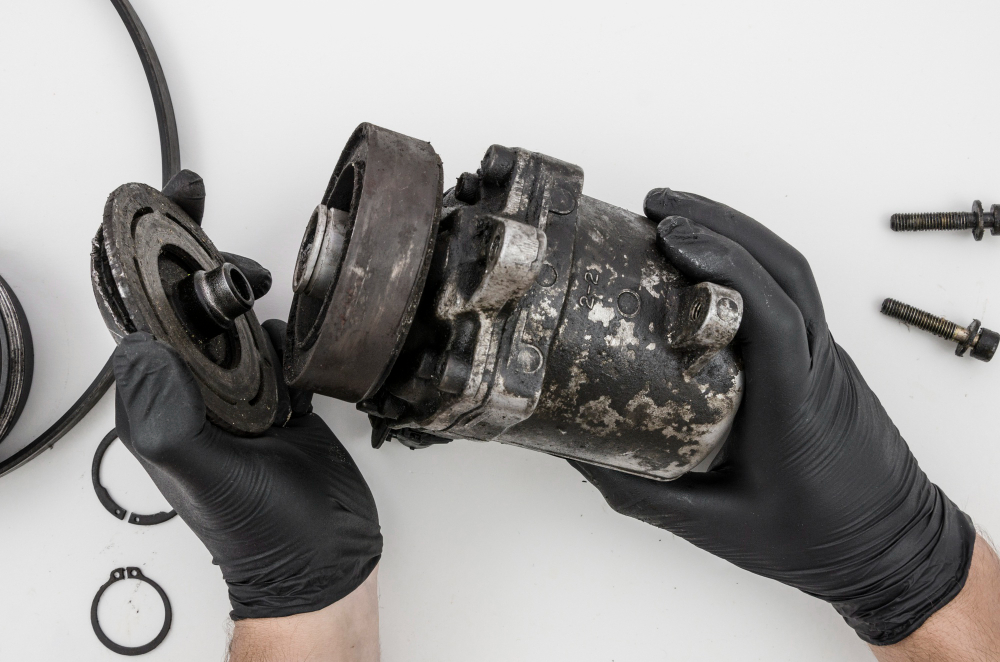
Valve repair depends heavily on the type of damage. A technician may need to inspect the cylinder head and determine whether the valves are:
Depending on the situation, repairs may involve valve replacement, valve-seat work, guide repair, valve-seal replacement, cylinder-head machining, or replacement of other related components. Not every valve problem requires a complete engine rebuild. The extent of the repair should be determined after testing and inspection.
This is the most important part of the repair process. A good technician should not assume that a check engine light or engine noise automatically means the camshaft or valves are defective. Depending on the symptoms, diagnosis may include:
An OBD-II scan can identify stored fault codes and provide useful information about engine operation. However, diagnostic codes are clues rather than automatic proof of a failed component.
The technician may inspect accessible engine components for obvious wear, damage, oil problems, or timing-related issues.
A compression test can help determine whether cylinders are producing adequate compression. Low compression in one or more cylinders can point toward mechanical problems that may require additional testing.
A leak-down test can help identify where cylinder pressure is escaping. Depending on the results, the problem may involve valves, piston rings, cylinder walls, head-gasket areas, or other components.
The relationship between the camshaft and crankshaft may need to be checked when timing-related problems are suspected.
Engine oil level, condition, and pressure may need to be evaluated when lubrication-related wear is suspected.
If testing indicates a valve problem, the cylinder head may need to be removed for a more detailed inspection. This diagnostic approach helps prevent unnecessary repairs and focuses attention on the actual failure.
The repair procedure depends entirely on the vehicle and the type of engine damage. For a camshaft problem, the technician may need to remove the valve cover and other components to access the camshaft.
Depending on engine design, additional components may need to be removed before the camshaft can be inspected or replaced. For valve-related repairs, the cylinder head may need to be removed. The technician may then inspect the valves, valve seats, guides, springs, seals, and other components for damage or wear. If repairs are required, damaged components are replaced or serviced according to the vehicle’s specifications. The engine timing must then be correctly set and verified.
After assembly, the engine should be checked for proper operation, leaks, abnormal noise, and other signs of a remaining problem. Because these repairs can involve significant disassembly, accurate diagnosis before starting the job is essential.
There is no universal price for camshaft and valve repair. The cost can vary significantly depending on:
A minor component replacement can cost far less than a cylinder-head rebuild or extensive internal engine repair. For that reason, an online average price is not a reliable estimate for your specific vehicle. A proper diagnosis and inspection provide a much more realistic repair estimate.
Driving with a suspected camshaft or valve problem is not something you should ignore.
If the engine is misfiring, losing power, producing abnormal mechanical noise, or showing serious timing-related symptoms, continued driving can potentially increase the damage. A mechanical failure can sometimes affect other engine components, particularly when timing or lubrication is involved.
If your check engine light is flashing, the engine is severely misfiring, or you hear a loud mechanical noise, stop driving when it is safe to do so and have the vehicle inspected. The cheaper option is usually to diagnose the problem early rather than wait for a major engine failure.
This is an important distinction. A camshaft is a mechanical engine component. A camshaft position sensor is an electronic component that monitors camshaft position and sends information to the engine control system. A faulty camshaft sensor can produce symptoms such as:
Those symptoms can overlap with an actual mechanical camshaft or timing problem. Therefore, a camshaft-related diagnostic code does not automatically mean the camshaft needs replacement. The sensor, wiring, timing system, oil-pressure system, and mechanical components may all need to be considered during diagnosis.
You cannot prevent every camshaft or valve problem, but proper maintenance can reduce avoidable engine wear. Follow the maintenance recommendations for your specific vehicle, especially for:
Using the correct oil and maintaining proper oil levels are particularly important for components that depend on engine lubrication. If your vehicle begins making unusual noises or develops a new engine-performance problem, getting it checked early is usually smarter than waiting for the symptom to become severe.
Baltimore driving can involve frequent stops, traffic congestion, short trips, highway driving, and seasonal temperature changes. Your engine needs to operate correctly through all of these conditions. A developing valve-train or camshaft problem may become more noticeable during acceleration, idling, or when the engine is under load.
If your vehicle begins showing unusual engine symptoms, don’t assume the problem will disappear on its own. Getting an accurate diagnosis can help you understand whether you need camshaft and valve repair in Baltimore, timing-system service, sensor replacement, or another engine repair.
Engine problems should be diagnosed carefully because many different mechanical and electronic issues can create similar symptoms.
Roland Falls Auto & Body Repairs provides automotive repair and maintenance services in Baltimore, with a focus on accurate diagnosis and proper repairs rather than unnecessary part replacement. Our shop is located at:
Roland Falls Auto & Body Repairs
1100 W 41st St
Baltimore, MD 21211
If you’re experiencing rough running, engine noise, poor acceleration, starting problems, misfires, or other symptoms that may involve the valve train, our team can inspect the vehicle and determine the appropriate next step.
Camshaft and valve problems can become expensive when they are ignored. A ticking engine, rough idle, misfire, loss of power, difficult starting, or check engine light may have a simple cause, but it may also indicate a mechanical problem that needs attention.
The mistake is not getting the problem diagnosed. If you need camshaft and valve repair in Baltimore, Roland Falls Auto & Body Repairs can inspect your vehicle and help determine what is actually causing the engine problem.
Don’t replace expensive engine components based on a guess. Get the problem diagnosed, understand the repair, and address the underlying cause before a small engine issue becomes a much larger repair.
Roland Falls Auto & Body Repairs
1100 W 41st St, Baltimore, MD 21211
Phone: (410) 889-6536
Whether you need collision repair, auto body work, routine maintenance, window tinting, detailing, or tag and title services, our team is here to help. Contact Roland Falls Auto & Body Repairs today to schedule a service, request an estimate, or ask any questions about your vehicle.
Join our list for quick updates, exclusive offers, and important alerts.