Why Does Your Car Battery Keep Dying? Causes & Fixes

admin
August 6, 2026

A check engine light on its own tells you almost nothing specific. It is a general alert triggered by your vehicle’s onboard computer, and behind it can be anywhere from a two dollar gas cap issue to a failing catalytic converter costing well over a thousand dollars. The only way to know which one you are dealing with is a real, thorough engine diagnostic, not a five minute code scan and a guess.
At Roland Falls Auto & Body Repairs, we have performed engine diagnostics Baltimore drivers depend on for over 10 years. This page covers exactly what our inspection includes, how the process actually works, and what separates a real diagnostic from a shortcut.
Every vehicle built since 1996 in the United States is required to have an OBD, or onboard diagnostics, system. This computer continuously monitors your engine, transmission, and emissions systems, and when a reading falls outside its expected range, it stores a specific trouble code and triggers the check engine light.
A proper engine diagnostics Baltimore inspection involves several distinct steps, not just one, and understanding each step helps you know what you are actually paying for. Baltimore’s mix of stop and go traffic, seasonal temperature swings, and daily short trips all put real strain on your engine’s sensors and components over time. This is exactly why engine diagnostics Baltimore drivers rely on need to go beyond a simple code reading, local driving conditions genuinely affect what shows up during an inspection, and a shop that understands that context catches issue a generic scan alone would miss.
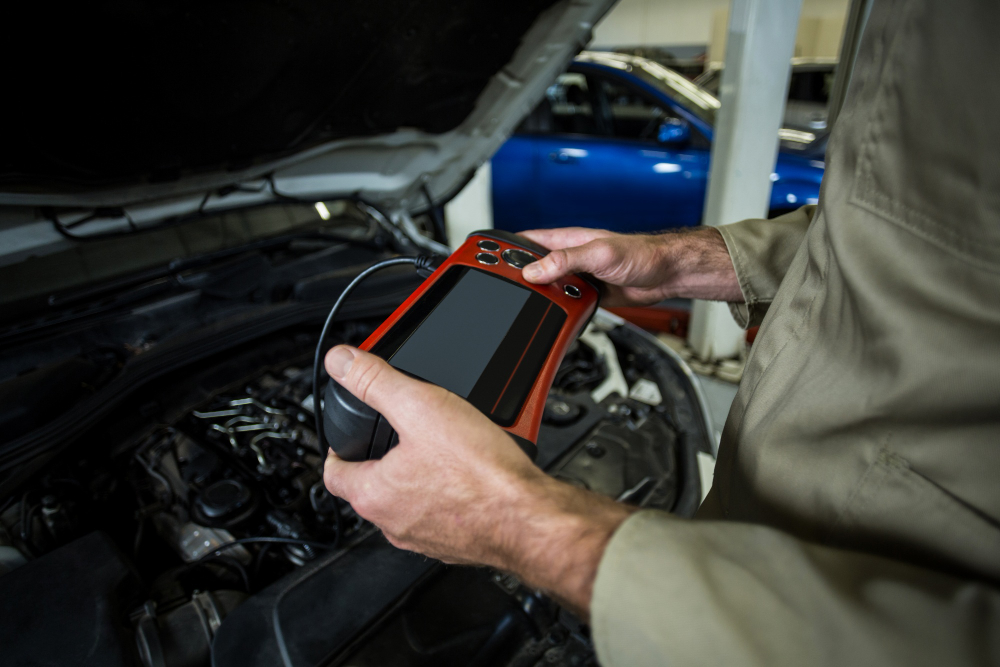
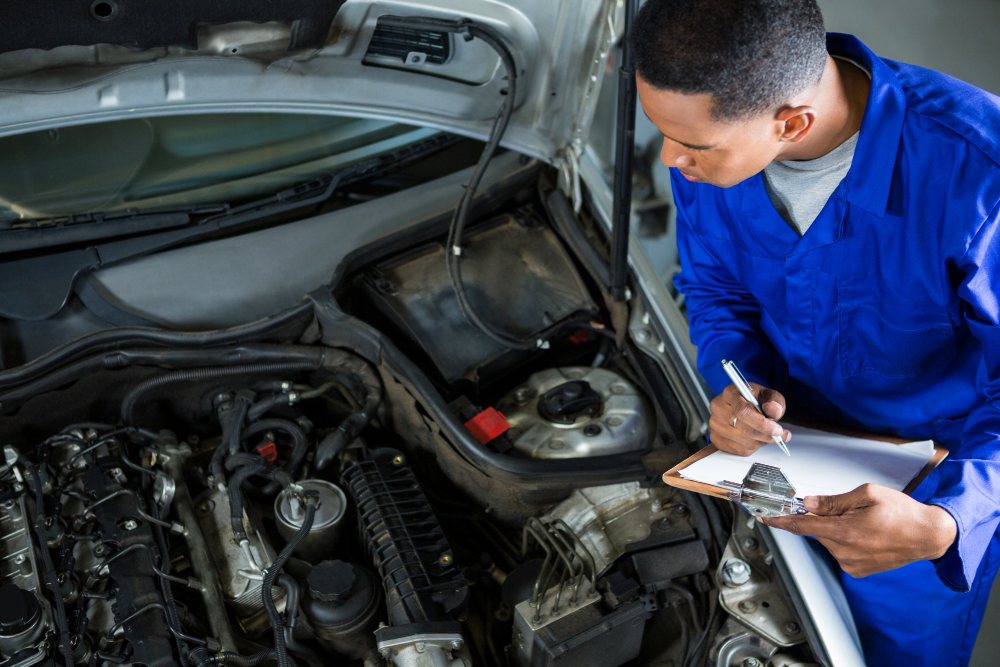
Based on what actually comes through our shop, a handful of trouble codes account for a large share of check engine light visits.
A code number alone does not confirm the repair needed. P0420, for example, can be triggered by an actual failing catalytic converter, but it can just as easily be triggered by an oxygen sensor giving an inaccurate reading upstream. This is exactly why real engine diagnostics Baltimore drivers trust rely on live data readings and physical inspection just as much as the code itself.
Some shops read the code, match it to a generic repair, and quote you immediately. That is not real engine diagnostics Baltimore drivers can rely on, that is guessing with extra steps. Here is the real difference.
When you bring your vehicle in for engine diagnostics Baltimore drivers trust us with, here is exactly what happens, in order, every single time.

While the specific code varies, the underlying causes we see during engine diagnostics Baltimore vehicles come in for tend to fall into a few consistent categories.
The way your check engine light behaves changes how urgent the underlying issue actually is, and it is one of the first things we check during any engine diagnostics Baltimore visit.
If your check engine light is on, or you have noticed a change in how your car runs, do not rely on guesswork. Our team has handled engine diagnostics for Baltimore drivers for over 10 years, and we explain exactly what we find, not just quote a repair and hope it fixes the problem.
Call 410-889-6536, email rolandfallsauto@gmail.com, or visit us at 1100 W 41st St, Baltimore, MD 21211 to schedule your engine diagnostics Baltimore appointment. Learn more about our full range of services at rolandfalls.com.
Whether you need collision repair, auto body work, routine maintenance, window tinting, detailing, or tag and title services, our team is here to help. Contact Roland Falls Auto & Body Repairs today to schedule a service, request an estimate, or ask any questions about your vehicle.
Join our list for quick updates, exclusive offers, and important alerts.