Uncategorized

Oil Leak Detection and Repair: What That Puddle Under Your Car Actually Means

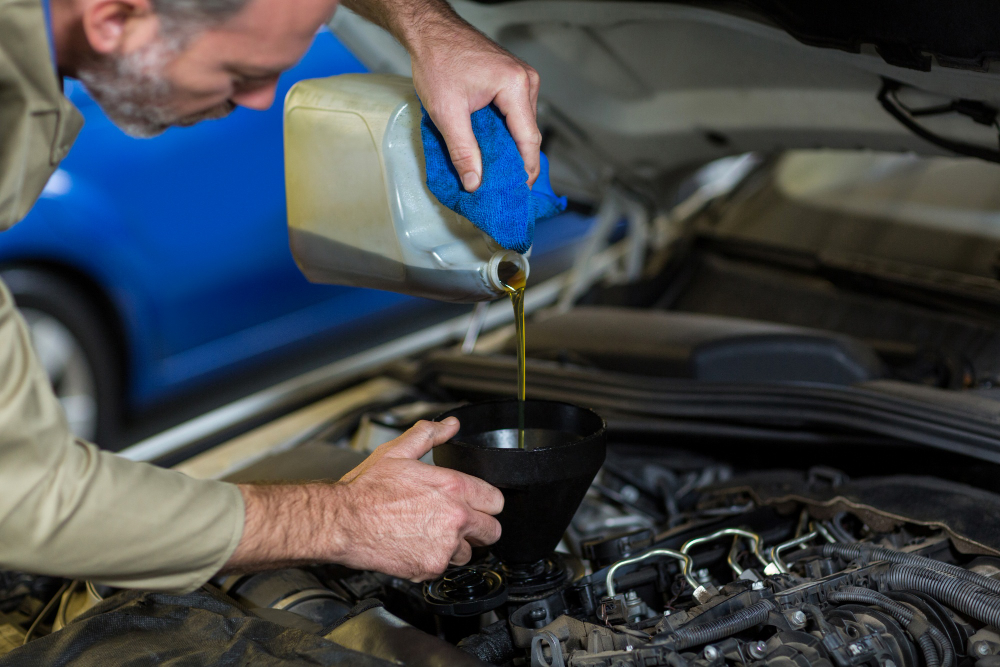
engine oil inspection Baltimore

Oil Leak Detection and Repair: What That Puddle Under Your Car Actually Means

You walk out to your car and notice it, a dark, greasy spot on the driveway or garage floor right where you park. It’s easy to tell yourself it’s probably nothing, but engine oil doesn’t end up on the ground without a reason, and waiting rarely makes the reason go away on its own.

This guide covers what actually causes oil leaks, how to recognize the real warning signs, and what proper oil leak detection and repair involves. We handle this as part of our regular engine repair work for Baltimore drivers at Roland Falls Auto & Body Repairs.

Why Oil Leaks Matter More Than They Seem

Engine oil isn’t just a fluid that sits in your engine, it’s actively lubricating moving parts, reducing friction, and helping regulate temperature every second your engine runs. When oil escapes through a leak, your oil level drops, and once it drops far enough, metal components that should be gliding against a film of oil start grinding against each other instead. That added friction generates heat, and an engine running low on oil can overheat quickly, sometimes causing damage that a simple top off or oil change can’t undo.

A small leak today rarely stays small. It’s one of those problems where oil leak detection and repair is genuinely cheaper to handle early than to wait out.

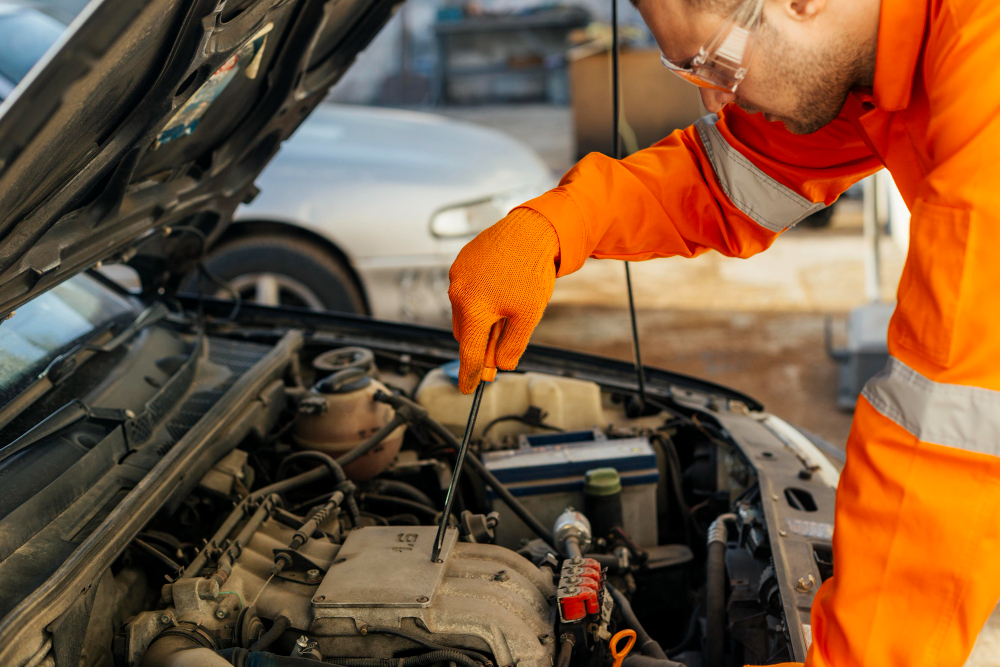
oil leak detection and repair
Oil leak detection and repair Baltimore shop

The Most Common Causes

A handful of components account for the large majority of oil leaks, and knowing them helps you understand what a technician is actually checking during oil leak detection and repair, rather than just guessing at the source.

  • Valve cover gasket. Sitting between the valve cover and cylinder head, this gasket hardens and cracks with age and heat exposure, and it’s one of the most frequent leak points on any engine.
  • Oil pan gasket or a damaged oil pan. The oil pan sits at the bottom of the engine, exposed to road debris, potholes, and speed bumps, making it vulnerable to cracks or a compromised seal.
  • Oil filter issues. A loose, incorrectly installed, or wrong sized oil filter can leak, especially right after an oil change if it wasn’t tightened correctly.
  • Crankshaft and camshaft seals. These seals harden over time, particularly in high mileage vehicles or engines that run consistently hot.
  • A loose or damaged drain plug. Even a small amount of wear on the drain plug threads can create a slow, persistent leak.
  • Oil cooler lines and fittings. On vehicles equipped with an oil cooler, leaks can develop where lines connect or at the fittings themselves, more common in higher mileage vehicles.

Any of these can be the actual source, which is exactly why oil leak detection and repair starts with confirming the specific component before any work begins.

Recognizing the Real Warning Signs

Some signs are obvious, others are easy to miss until oil leak detection and repair becomes a bigger, more expensive job than it needed to be.

  • A dark, oily puddle under your car after it’s been parked. This is the most recognizable sign, though it’s worth noting that many modern vehicles have underbody shielding that can catch oil before it reaches the ground, hiding a real leak from plain sight.
  • A burning oil smell, especially noticeable after driving, which happens when leaking oil contacts hot engine components like the exhaust manifold.
  • A low oil level warning light, particularly relevant on vehicles with shielding that prevents visible puddles from forming.
  • Visible oil residue or staining on the engine itself, often around the valve cover, oil pan, or filter housing.
  • Blue smoke from the exhaust, in more advanced cases where oil is being burned rather than simply leaking externally.
  • Rough idling or a misfire, which can happen if leaking oil finds its way into a spark plug well.

If your car has underbody shielding and you’re not seeing puddles, a dropping oil level between changes or a persistent burning smell are your more reliable signals.

How Oil Leak Detection and Repair Actually Works

Oil leak detection and repair starts with locating the actual source, not just confirming that a leak exists. This matters because oil can travel along the underside of the engine before dripping, so where it lands on the ground isn’t always directly below where it’s actually escaping.

  • A visual inspection with the area cleaned first. Wiping down the suspected area and then checking again after driving helps confirm the actual source rather than guessing based on old residue.
  • Checking oil level and consumption over time, comparing how much oil the vehicle is actually losing against what’s expected for its mileage.
  • Inspecting known common leak points directly, the valve cover gasket, oil pan, filter housing, and drain plug, since these account for most real world leaks.
  • UV dye detection, a method where a fluorescent dye is added to the oil and later checked with a UV light, making even small leaks visible at their exact source.

Skipping straight to a repair without confirming the actual source risks fixing the wrong component while the real leak continues.

What Repair Actually Involves

The repair side of oil leak detection and repair depends entirely on what the inspection finds, and it can range from a simple, inexpensive fix to something more involved.

  • Gasket replacement, for a failed valve cover or oil pan gasket, generally a straightforward repair once the source is confirmed
  • Seal replacement, for a failed crankshaft or camshaft seal, which can require more labor depending on how accessible the seal is on your specific engine
  • Oil pan repair or replacement, if road debris has cracked or deformed the pan itself
  • Drain plug or filter correction, sometimes as simple as proper reinstallation, other times requiring a replacement part if threads or the filter housing are damaged

We confirm the actual source before recommending a repair, so you’re not paying to replace a component that was never the real problem.

What Affects the Cost of Oil Leak Detection and Repair

  • Which component has failed. A gasket or drain plug fix is typically far less expensive than a seal replacement that requires more disassembly to access.
  • Engine accessibility. Some engine layouts make the leaking component easy to reach, others require significant disassembly, which affects labor time.
  • How long the leak went unaddressed. A leak caught early is usually a contained repair. One left too long can lead to additional damage from low oil levels, adding to the total cost.

We provide a written estimate once we’ve confirmed the source, so you know exactly what oil leak detection and repair involves for your vehicle before agreeing to anything.
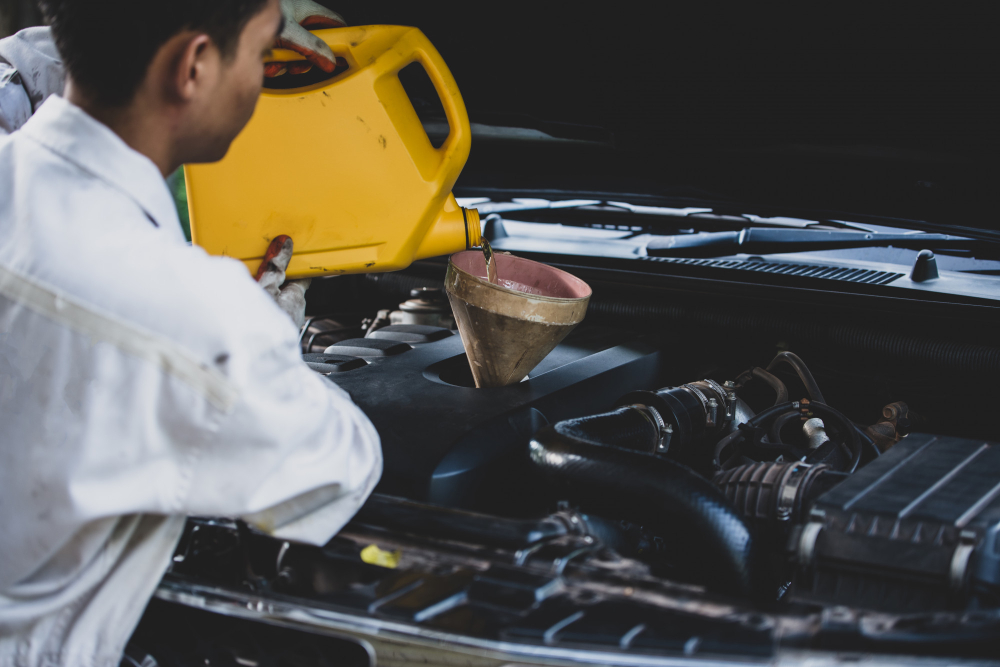
UV dye oil leak inspection engine

The most common causes of an oil leak are a failed valve cover gasket, oil pan gasket, or oil filter, along with worn crankshaft or camshaft seals. Warning signs include a dark puddle under the car, a burning oil smell, or a dropping oil level even without visible drips. Early detection and repair typically costs far less than the damage from ignoring it.

Frequently Asked Questions

Get Your Oil Leak Checked Today

If you’ve noticed a puddle, a burning smell, or an oil level that keeps dropping, don’t wait for it to become a bigger problem. Our team handles oil leak detection and repair for Baltimore drivers as part of our regular engine repair work at Roland Falls Auto & Body Repairs, and we’ll confirm the actual source before recommending anything.

Call 410-889-6536, email rolandfallsauto@gmail.com, or visit us at 1100 W 41st St, Baltimore, MD 21211 to schedule an inspection. Learn more about our full range of services at rolandfalls.com.

Tag Post :
Share This :

Leave a Reply

Your email address will not be published. Required fields are marked *

Dont Hesitate To Contact Us

Whether you need collision repair, auto body work, routine maintenance, window tinting, detailing, or tag and title services, our team is here to help. Contact Roland Falls Auto & Body Repairs today to schedule a service, request an estimate, or ask any questions about your vehicle.

Categories