Why Does Your Car Battery Keep Dying? Causes & Fixes

admin
August 19, 2026
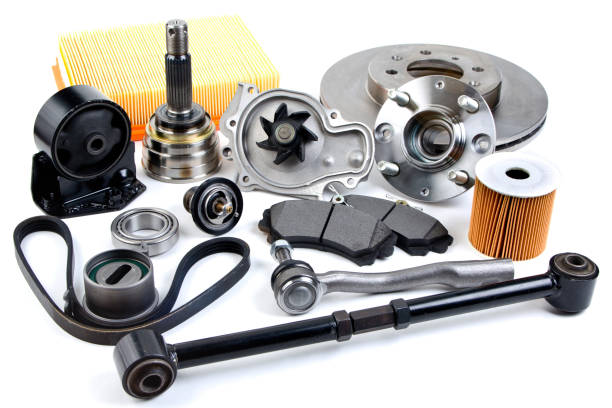
Your engine produces a tremendous amount of heat every time you drive. The cooling system is responsible for controlling that heat, and the water pump is one of its most important components. It circulates coolant through the engine and radiator to help maintain a safe operating temperature.
When a water pump starts to fail, your vehicle may give you several warning signs, including coolant leaks, unusual noises, temperature fluctuations, or engine overheating. Ignoring these symptoms can turn a relatively manageable repair into a much more expensive engine problem.
If you are looking for water pump replacement Baltimore drivers can rely on, understanding the symptoms of water pump failure is a good place to start. Knowing what to watch for can help you address a cooling-system problem before it causes serious engine damage.
At Roland Falls Auto & Body Repairs, we provide automotive repair and maintenance services for drivers throughout Baltimore and the surrounding areas.
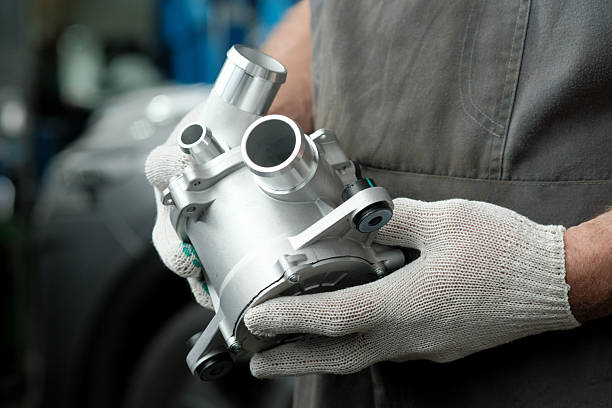
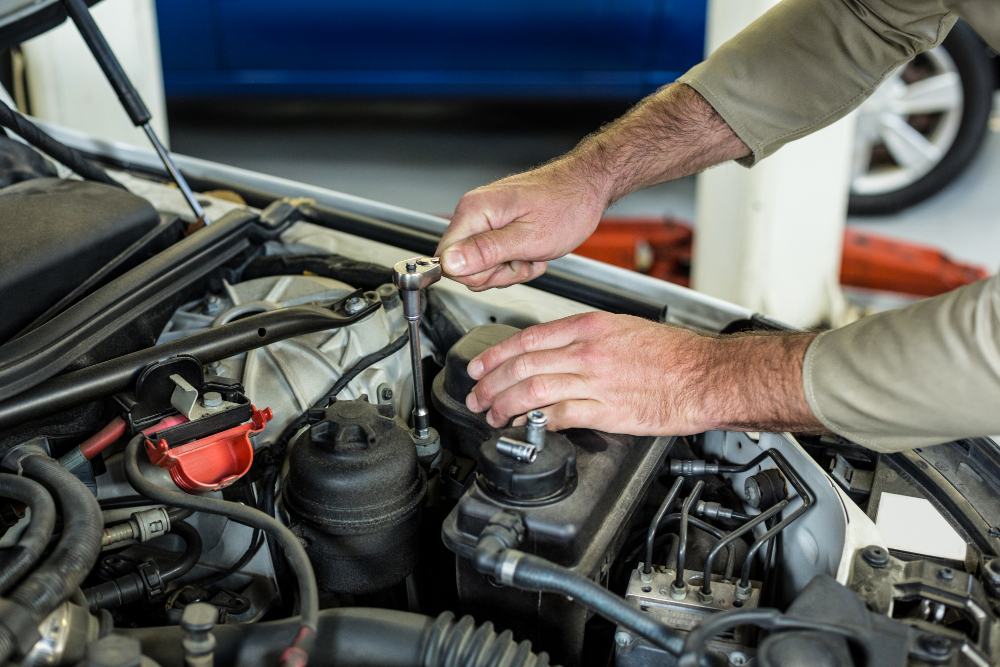
The water pump, also known as a coolant pump, is responsible for circulating coolant through the engine’s cooling system. As the engine operates, it generates heat. Coolant absorbs this heat as it passes through the engine and then travels to the radiator, where the heat is released. The cooled fluid then circulates back through the engine.
This continuous process helps keep engine temperatures within their normal operating range. When the water pump becomes damaged or stops circulating coolant properly, heat can build up inside the engine. Depending on the type of failure, the pump may leak coolant, develop bearing problems, or lose its ability to maintain proper coolant circulation.
That is why water pump replacement Baltimore services should be considered promptly when a failing pump has been properly diagnosed.
Water pumps do not always fail without warning. In many cases, your vehicle will show symptoms before the problem becomes severe.
Here are seven signs that deserve attention.
Engine overheating is one of the most important warning signs of a possible cooling-system problem. If the water pump cannot circulate coolant effectively, the engine may struggle to remove excess heat. You may notice the temperature gauge moving higher than normal, an overheating warning appearing on the dashboard, or steam coming from underneath the hood.
However, overheating does not automatically mean that the water pump has failed. A thermostat, radiator, cooling fan, low coolant level, damaged hose, or another cooling-system component can cause similar symptoms.
Professional diagnosis is important before replacing any component. If your temperature gauge reaches the red zone, stop driving as soon as it is safe to do so. Continuing to operate an overheating engine can result in expensive internal engine damage.
A coolant leak around the engine can be another indication that the water pump is failing.
Water pumps contain seals designed to keep coolant inside the cooling system. As these seals deteriorate, coolant can begin escaping from the pump.
You might notice:
Not every coolant leak is caused by a water pump. Radiators, hoses, thermostats, gaskets, reservoirs, and other components can also leak. The goal of a proper inspection is to identify the actual source of the leak rather than replacing parts based on guesswork.
A water pump contains moving components that operate whenever the engine is running. As the pump’s bearings or other internal components wear, unusual noises can develop.
Depending on the type of problem, you might hear:
The noise may become more noticeable as engine speed increases. If you hear a new noise from the front or side of the engine, especially when it occurs together with coolant loss or overheating, have the vehicle inspected.
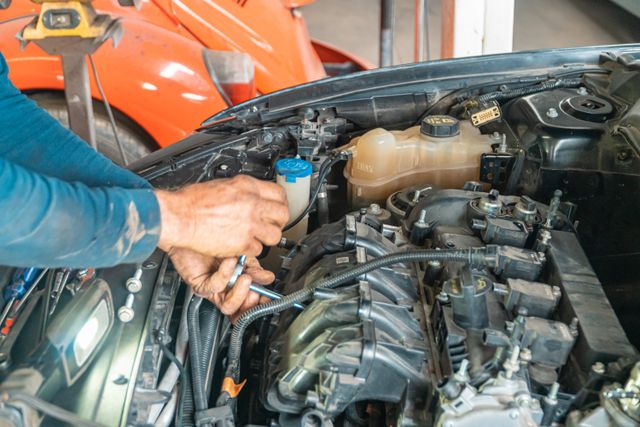
Your vehicle’s engine temperature should normally remain within a relatively stable operating range. If the temperature gauge repeatedly moves higher and lower, there may be a problem with coolant circulation or another component in the cooling system.
A failing water pump can contribute to inconsistent coolant circulation. However, temperature fluctuations can also be caused by a faulty thermostat, low coolant, trapped air, radiator problems, or cooling fan issues. This is another situation where diagnosis matters.
Replacing the water pump without identifying the actual cause of the temperature problem can waste money and leave the original issue unresolved.
Steam coming from underneath the hood should never be ignored. It may indicate that coolant is escaping or that the engine has become excessively hot. When coolant reaches extremely hot engine components, it can produce steam.
If you see steam while driving, pull over somewhere safe and turn the engine off. Do not immediately remove the radiator cap or another pressurized cooling-system component. Hot coolant can cause severe burns.
Allow the vehicle to cool and arrange for an inspection or towing service if necessary. Trying to drive an overheating vehicle to a repair shop can cause much more serious damage than the original cooling-system problem.
Your vehicle’s cabin heater depends on hot engine coolant flowing through the heater core. If coolant is low or circulation is restricted, you may notice that the heater produces lukewarm air instead of hot air. The temperature may also change unexpectedly while driving.
This can happen when there is a cooling-system problem, including a possible water pump issue. However, poor cabin heat can also be caused by low coolant, air trapped in the cooling system, a thermostat problem, or an issue with the heater core.
For that reason, this symptom should be considered a clue rather than proof that the water pump has failed.
If you repeatedly need to add coolant, there is likely a problem that needs to be investigated. A properly functioning cooling system should not require constant coolant top-ups.
Possible causes include:
Driving with low coolant can increase the risk of overheating. If your coolant level keeps dropping, schedule an inspection rather than simply adding more coolant and continuing to drive.
Water pumps operate under demanding conditions. They are exposed to engine heat, mechanical loads, coolant, and continuous operation.
Several issues can eventually lead to failure.
The seals inside a water pump can deteriorate with age and use. When a seal fails, coolant may begin leaking from the pump.
A worn bearing can cause whining, grinding, or rattling noises. Severe bearing wear can eventually affect the pump’s ability to operate properly.
The impeller is responsible for moving coolant through the system. Damage, corrosion, or deterioration can reduce coolant circulation.
Using the wrong coolant or neglecting recommended cooling-system maintenance can contribute to corrosion and component deterioration.
Depending on the vehicle, the water pump may be driven by a serpentine belt, timing belt, or another mechanical system. Some modern vehicles use electric coolant pumps.
Because water pump designs differ between vehicles, the correct repair procedure depends on the specific year, make, model, and engine.
In many cases, a damaged water pump is replaced rather than repaired internally. If the pump has a failed bearing, damaged shaft, leaking seal, or damaged impeller, replacing the complete assembly is generally the appropriate solution.
During a water pump replacement Baltimore service, a technician may also inspect related cooling-system components, including:
Not always.
Some engines use a timing belt to drive the water pump. On these vehicles, accessing the water pump may require removing many of the same components needed for timing-belt replacement.
Because of this, replacing the pump during a timing-belt service may make sense if the pump is accessible during the same repair and is approaching the end of its expected service life.
Other vehicles have water pumps driven by a serpentine belt, while some newer vehicles use electric pumps. Your vehicle’s manufacturer recommendations and engine design should determine the correct maintenance approach.
A reliable water pump replacement Baltimore service should begin with diagnosis rather than automatically replacing the pump. A technician may perform several checks to determine the source of the problem.
The cooling system can be inspected for coolant residue, leaks, damaged hoses, corrosion, belt problems, and other visible issues.
A pressure test can help identify leaks that may not be immediately visible during a basic inspection.
The technician can evaluate coolant levels, temperature behavior, and overall cooling-system operation.
Depending on the vehicle design, the pump, pulley, shaft, or bearing can be checked for abnormal movement or noise.
Because overheating has multiple possible causes, the thermostat, radiator, fans, hoses, belts, and other cooling-system components may also need to be evaluated.
A coolant leak near the water pump does not automatically prove that the pump itself is defective. Correct diagnosis prevents unnecessary parts replacement.
The exact process varies by vehicle, but a professional water pump replacement generally involves several important steps. First, the technician identifies the correct water pump and reviews the vehicle-specific replacement procedure.
The cooling system is then prepared for the repair, and components blocking access to the pump are removed as required. The old water pump is removed and the mounting surface is inspected and cleaned. The new pump and required gasket or seal are installed according to the manufacturer’s specifications.
The cooling system is then refilled with the appropriate coolant. Air must also be removed from the cooling system according to the vehicle manufacturer’s procedure. Incorrect installation, improper coolant selection, or inadequate bleeding can contribute to overheating.
This is where you should not take chances.
If the water pump is leaking or the engine is overheating, continuing to drive can cause the engine temperature to rise beyond a safe range.
An overheated engine can suffer serious damage, including damage to the cylinder head, head gasket, or other internal components.
If the temperature gauge is in the danger zone or steam is coming from under the hood, pull over safely and shut the engine off. A short tow bill is usually a lot cheaper than replacing an engine.
Baltimore drivers deal with a mixture of city traffic, stop-and-go driving, highway trips, summer heat, and changing weather conditions. Your engine cooling system has to work properly under all of these conditions.
A water pump that is already weak may become more noticeable when the vehicle spends extended time idling in traffic or operating under higher temperatures.
If you notice coolant loss, an overheating engine, unusual noises, or temperature fluctuations, don’t wait until the vehicle leaves you stranded. Getting the problem diagnosed early gives you a better opportunity to address the cooling-system issue before it causes secondary damage.
When your vehicle has a cooling-system problem, the most important thing is accurate diagnosis and proper repair.
At Roland Falls Auto & Body Repairs, our automotive repair services are designed around identifying the actual problem rather than replacing parts without a clear reason. Our shop provides automotive repair and maintenance services in Baltimore, with a focus on professional repairs and practical solutions.
We are located at:
Roland Falls Auto & Body Repairs
1100 W 41st St
Baltimore, MD 21211
If you’re experiencing overheating, coolant loss, unusual engine noises, or other cooling-system problems, our team can inspect your vehicle and determine whether you need water pump replacement or another repair.
A water pump may not be the most visible part of your vehicle, but its job is critical. A small coolant leak, strange noise, or rising temperature gauge can be your vehicle’s early warning that something is wrong. Addressing these symptoms early can help prevent overheating and reduce the risk of more serious engine damage.
If you need water pump replacement in Baltimore, Roland Falls Auto & Body Repairs can inspect your vehicle, identify the cause of the cooling-system problem, and recommend the appropriate repair.
Don’t wait until your temperature gauge reaches the red zone. Schedule an inspection and get the problem diagnosed before a cooling-system issue becomes a major engine repair.
Roland Falls Auto & Body Repairs
1100 W 41st St, Baltimore, MD 21211
(410) 889-6536
Whether you need collision repair, auto body work, routine maintenance, window tinting, detailing, or tag and title services, our team is here to help. Contact Roland Falls Auto & Body Repairs today to schedule a service, request an estimate, or ask any questions about your vehicle.
Join our list for quick updates, exclusive offers, and important alerts.